

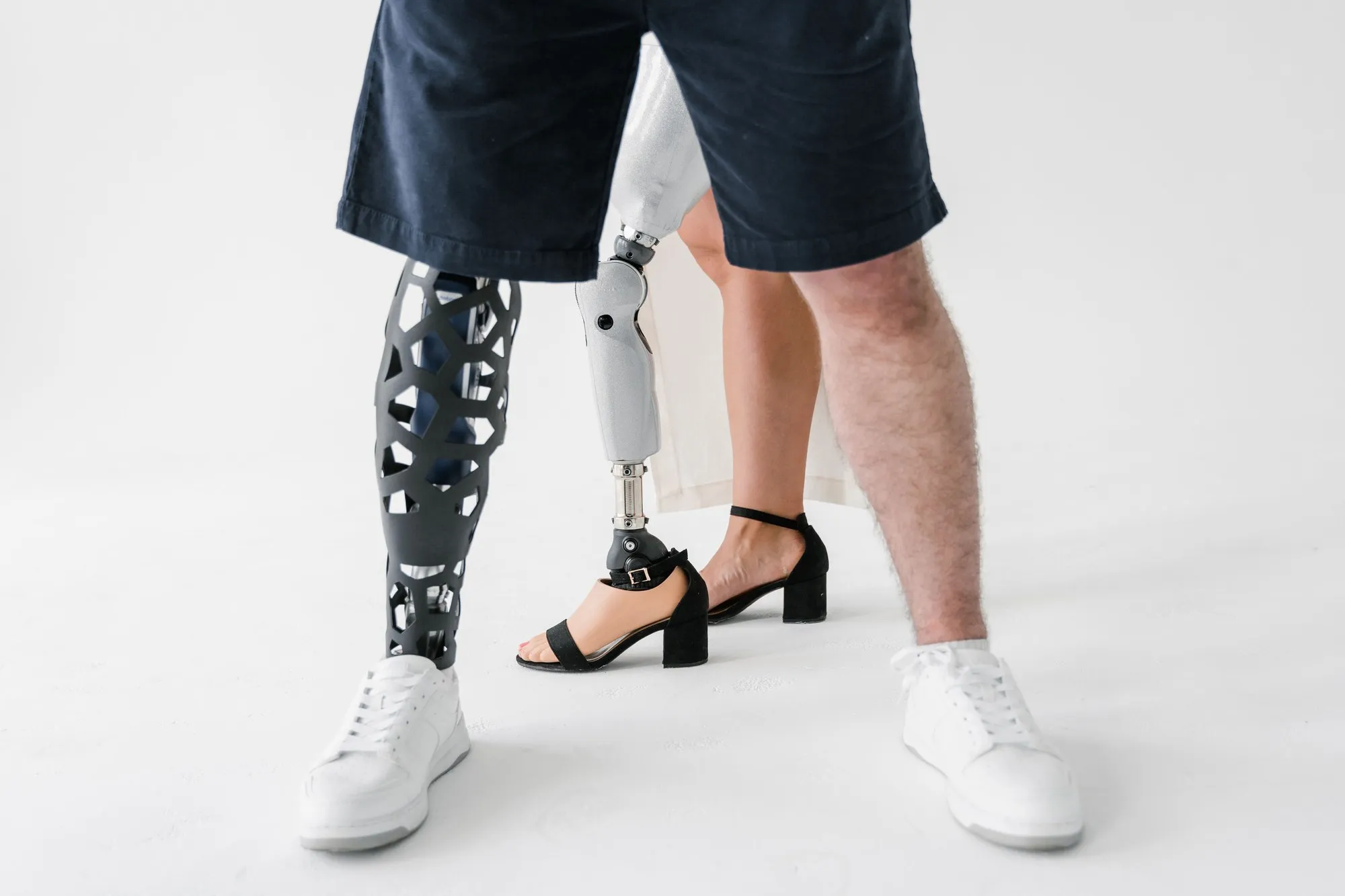
Traumatic and surgical amputations are documented differently
Clinicians use amputation to mean two things. A traumatic amputation is the loss of a body part, such as a finger, toe, hand, arm, foot, or leg, in the injury itself. A surgical amputation is a procedure in which a limb or part of one is removed because it cannot be saved, sometimes at the first operation and sometimes after days or weeks of trying to preserve it. The two leave different records. The first is described in the emergency and operative notes of the day of the event; the second is described in a chronology of treatment decisions, imaging, and consultations that ends in the decision to amputate.
Both trace back to the event. A surgical amputation that followed a crush injury, a burn, an infection, or a vascular injury does not by itself suggest that the surgeons did anything wrong, and this page does not treat it that way. What the chronology shows is how the injury progressed and why the limb could not be kept, and that chronology is part of the record of the event’s consequences.
The incident record belongs to the event
How the injury happened, and who is responsible for it, is investigated for its setting. Qualified custodians may preserve a machine or vehicle where safely possible without delaying protective action or an applicable recall remedy, because whether it was designed, built, maintained, guarded, or used properly is answered from the equipment and its records rather than from the fact of the injury. The involvement of equipment does not by itself mean it was defective, and the involvement of a company does not by itself mean it was negligent.
Certain work-related amputations trigger prompt reporting to the Occupational Safety and Health Administration (OSHA), depending on timing and circumstances. The reporting definition includes partial severance, fingertip amputations with or without bone loss, medical amputations resulting from irreparable damage, and parts that were later reattached, but that definition alone does not make every later surgical amputation reportable. Other injuries may still belong in required employer logs even when immediate reporting does not apply; some employers are exempt from routine recordkeeping. The report, any inspection that follows, and the employer’s applicable injury and illness records are requested in the review. The employer’s OSHA reporting duties, and the coverage question that shapes every Texas work injury, are explained with workplace injuries generally.
The medical chronology
The record of the injury begins with the emergency medical services run report and the emergency department record and continues through the operative reports, which describe the level of the amputation in clinical terms such as below the knee or above the elbow, the condition of the tissue, and what was done. Later operations, wound care, and any revision of the residual limb are documented in the same file. Clinicians name the complications they watch for after an amputation, including infection, bleeding, delayed or poor wound healing, pain felt in the missing limb, joint stiffness, and blood clots, and the records show which of them occurred and how they were treated.
The level of an amputation is a clinical description, not a ranking. What it meant for the person is shown by the rehabilitation and functional records that follow, and the review does not infer the effect of an injury from its name.
Rehabilitation and prosthetic documentation
Rehabilitation after limb loss is a course of care rather than an event: wound healing and shaping of the residual limb, physical and occupational therapy, and, where a prosthesis is appropriate, evaluation, fitting over a series of visits, training in its use, and follow-up. A prosthesis is ordered by a physician or other provider, and the prescription, the prosthetist’s fitting and adjustment records, and each replacement are documents in their own right. Not every person is fitted with a prosthesis, not every prosthesis serves every activity, and replacement follows the person’s residual limb, activity, and device rather than a schedule.
Those records show what was needed and when. They are read together with a qualified assessment of what will be needed later, and the review does not assume that one person’s course of rehabilitation will match another’s.
Function, work, and daily life
The consequences of limb loss are documented in how a person’s function changed. Functional assessments by the treating team record what the person can do with and without a device. Employer records show the duties performed before the injury, any restrictions or accommodations afterward, and whether the person returned to the same work, different work, or none. Household evidence shows who took on driving, childcare, cooking, and the other tasks that changed, and the person’s own account, kept close to the time, is part of that record. Where a return to work is in question, a vocational assessment by a qualified professional describes what work the person can do now.
Future needs are assessed by qualified professionals
Limb loss carries needs that extend past the last medical bill: prosthetic replacement and repair, follow-up care, therapy, home and vehicle modifications, and assistance with tasks. Those needs are documented by qualified professionals who evaluate the person, the medical record, and the treating team’s recommendations and set out what is expected and why. The review relies on that work rather than on a general assumption about what an amputation costs or what a person will need, and it does not promise that any particular need will be recognized. This kind of future-needs evidence is developed the same way for any life-changing injury.
The setting decides which page owns the event
- An amputation at a worksite begins with the employer’s coverage status, and a company other than the employer is pursued as a third-party workplace claim.
- Construction sites, wellsites, and process facilities are each reviewed through their own companies and records, and an explosion for its mechanism.
- A collision is investigated as a car accident or a truck accident, and a vessel or dock injury as a maritime accident.
- Whether a machine, tool, or vehicle component was defective is a product question that is reviewed separately from the injury and its medical consequences.
- When limb loss is followed by a death, a wrongful death claim raises the family and estate questions.
Talking with the firm about an amputation
The first conversation begins with the event, the providers and hospitals involved, the discharge papers and the prosthetic prescription if there is one, any incident report or OSHA notice, and what the person can and cannot do now. Leatherwood & Schindler represents people and families after catastrophic injuries. A consultation begins with those records, and we will explain which questions decide who is answerable for the event, which records to request from whom, and how the medical chronology and the future-needs evidence will be developed.