

Benefits and a third-party claim are separate questions
A potential third party is a company or person outside the applicable employer and workers’ compensation relationship. On a Houston-area construction project, plant, or terminal, the people working within a few feet of each other often answer to different companies, and the company that caused a condition is not always the one that signs the injured worker’s paycheck.
Texas law allows an injured worker, or a family member with a legal claim, to seek damages from a third party who is liable for the injury while also claiming workers’ compensation benefits. The benefits claim runs against the employer’s coverage. The third-party review asks a different question about a different company, with its own evidence, and the employer side of that division, how coverage status is checked and what it changes, is explained separately.
Not every workplace injury involves a third party. Many injuries involve only the worker and the employer, and the firm says so when the records point that way. We explain what the records show and how they affect your options.
Companies that may fall inside the employer relationship
Some companies that look separate are treated as the employer for workers’ compensation purposes, and the review has to identify them before it goes further.
- The employer’s own supervisors and co-workers. Where the employer carries coverage, Texas law generally makes benefits the exclusive remedy against the employer and against the employer’s agents and employees, so a supervisor’s decision is analyzed as the employer’s decision.
- A general contractor with a written coverage agreement. Texas law lets a general contractor agree in writing to provide workers’ compensation coverage to a subcontractor and its workers. Where that agreement exists, the general contractor is treated as those workers’ employer for workers’ compensation purposes only, and it moves from the third-party column to the employer column. A property owner that arranged the work can occupy that role as well.
- A staffing company’s client, in many arrangements. A staffing company’s coverage can extend to the client it places workers with, and a client that directed the day-to-day work is frequently treated as an employer under the Act. The staffing agreement, the certificate of insurance, and the records of who actually supervised the work decide the question.
These are legal conclusions counsel reaches from documents. The firm does not ask an injured worker to work them out from a checklist.
Companies that often are third parties
Once the employer’s side of the line is drawn, the companies on the other side are examined one at a time.
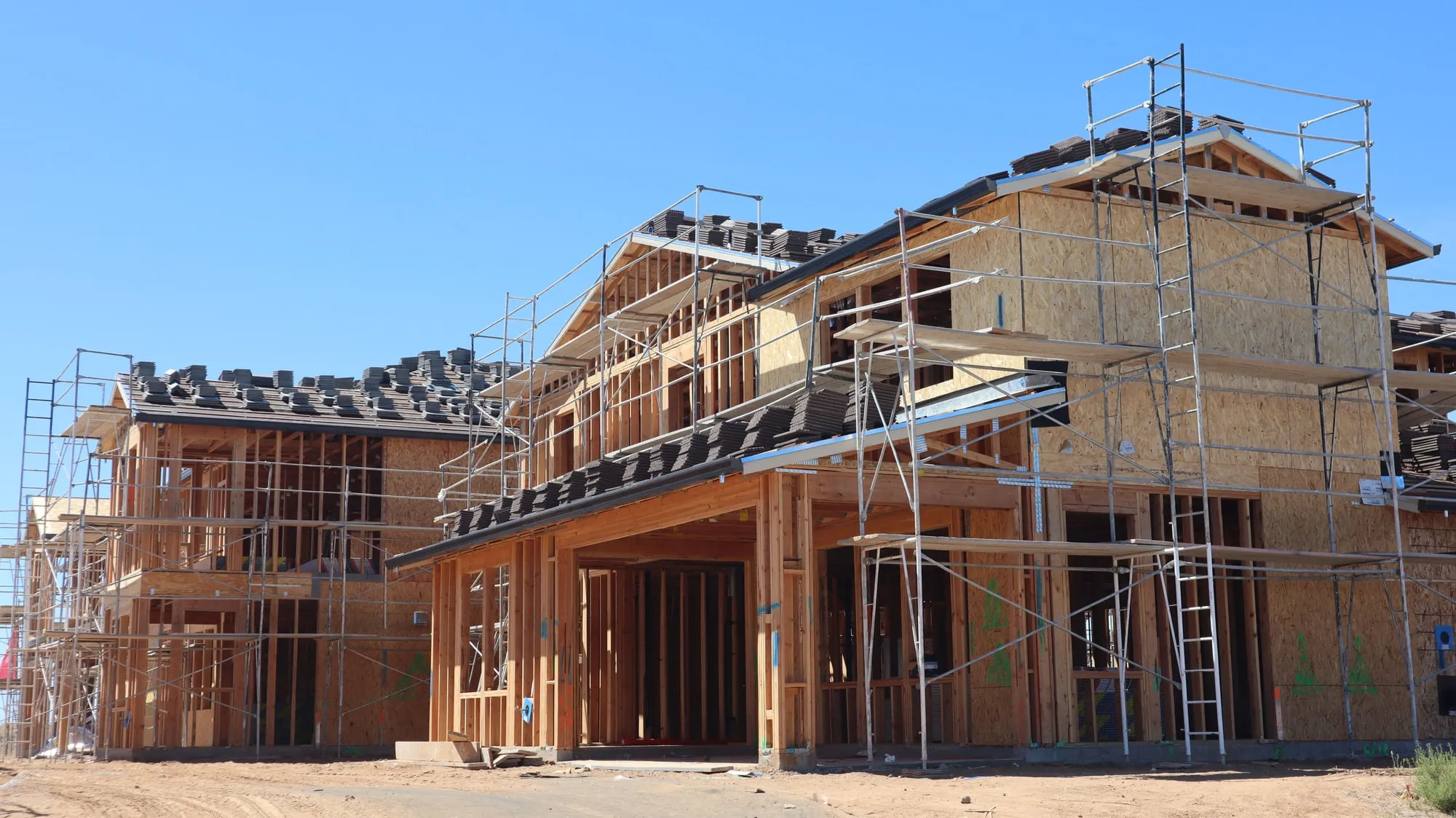
- Other contractors and trades on the site. A crew from a different company that created the condition, operated the equipment, or controlled the area is outside the injured worker’s employment relationship. Its scope of work and its own safety records describe what it was responsible for.
- The owner or operator of the site. A refinery, a terminal, a warehouse, and an active construction project each have an owner or operator that set the site rules, issued permits, and may have retained control over how the work was done. Texas law limits an owner’s responsibility to contractors’ employees in defined situations, which the next section explains.
- Equipment manufacturers, sellers, and rental companies. A failed component, a missing guard, or a lift that was not maintained points to companies that never set foot on the site. Texas law treats manufacturers and non-manufacturing sellers differently, and a rental company’s own maintenance is examined separately from the product’s design. Those are defective product questions.
- Vendors, delivery companies, outside service providers, and their drivers. A delivery truck backing into a work area or a service technician working on a line involves a company whose contract with the site describes what it was there to do. When the event is a vehicle collision, a commercial truck brings in the carrier’s records, and a private driver is reviewed as a car accident.
A company is not responsible because it appears on this list or because it was present on the site. Each one is reviewed against what it controlled and what it knew.
The property-owner question
Texas has a specific rule for claims by a contractor’s employee against the owner of commercial property. It applies when the work constructs, repairs, renovates, or modifies an improvement on the property and the injury arises from the condition or use of that same improvement. Where it applies, the owner is generally responsible only if it exercised or retained some control over how the work was performed, beyond ordering the work to start or stop or inspecting progress, and actually knew of the danger and failed to adequately warn.
Two things follow that the rule itself does not say plainly. First, it addresses claims against the owner; it does not decide claims against other contractors, equipment companies, vendors, or drivers on the same site. Second, whether a particular injury falls inside the rule is a fact question about the work being done and the improvement involved, and counsel reads the contracts and the permits before answering it.
How owner control appears in project and plant records is described with construction accidents and refinery accidents. On a wellsite, where the operator’s lease and its service contracts define control, the same question is described with oilfield accidents.
Records that identify the companies
The employer’s incident report names the injured worker. The records that name everyone else are held by other companies, and the firm asks for them early because contracts and site files are routine business records that are easy to lose track of once a project ends.
- Contracts, scopes of work, subcontracts, and purchase orders, which show who was hired to do what and who kept the right to control it.
- Written coverage agreements between general contractors and subcontractors, and certificates of insurance, which show which companies stand inside the workers’ compensation relationship.
- Site safety plans, site rules, orientation and badge records, and permits issued by the owner or the general contractor.
- Daily logs, superintendent reports, and stop-work records.
- Rental agreements and delivery and return inspection sheets for equipment, along with the manuals and data plates.
- Each company’s own incident report and witness statements, and photographs that show the logos on hard hats, vests, trucks, and equipment.
- The OSHA inspection file, where an inspection occurred. On a multi-employer worksite OSHA may cite more than one employer for the same hazard, so the file can name companies the worker never dealt with. A citation is a record source, not a decision about civil responsibility.
Contracts allocate responsibility among the companies on a site in ways that only the documents reveal. The firm reads them rather than inferring the arrangement from job titles.
The carrier’s interest and how fault is divided
A carrier that has paid or assumed benefits may have a statutory subrogation interest in a third-party recovery. The amount and allocation depend on Chapter 417 and the facts of the case, so counsel addresses that interest within the claim rather than through a general formula. The firm treats the benefits claim and the third-party review as connected but separate.
Texas also apportions responsibility among the parties involved in an injury. A defendant may ask the court to add another company to that comparison, and being named does not by itself make a company liable. Because responsibility can be divided, the firm identifies every company involved before it forms a view about any single one of them.
Where the other questions live
- Coverage status, the exclusive remedy, non-subscriber claims against an employer, and OSHA’s role are common to every workplace injury.
- The records that show control on a particular kind of site are described with construction accidents, refinery accidents, and oilfield accidents.
- An ignition event or a chemical release is reviewed for its mechanism as an explosion or a chemical exposure; we also investigate which companies were involved.
- Product questions are defective product questions, and vehicle collisions are reviewed as truck accidents or car accidents.
- A death at work brings in the family and estate questions of a wrongful death claim.
How the firm begins a third-party review
A third-party review begins with the employer’s name, the site and the company that ran it, the other companies whose people or equipment were present, whether a coverage notice was posted, and any paperwork received from the carrier. A consultation begins with the contracts and site records the firm would request first, and with a plain statement of which questions belong to the benefits claim and which belong to the companies outside it.