

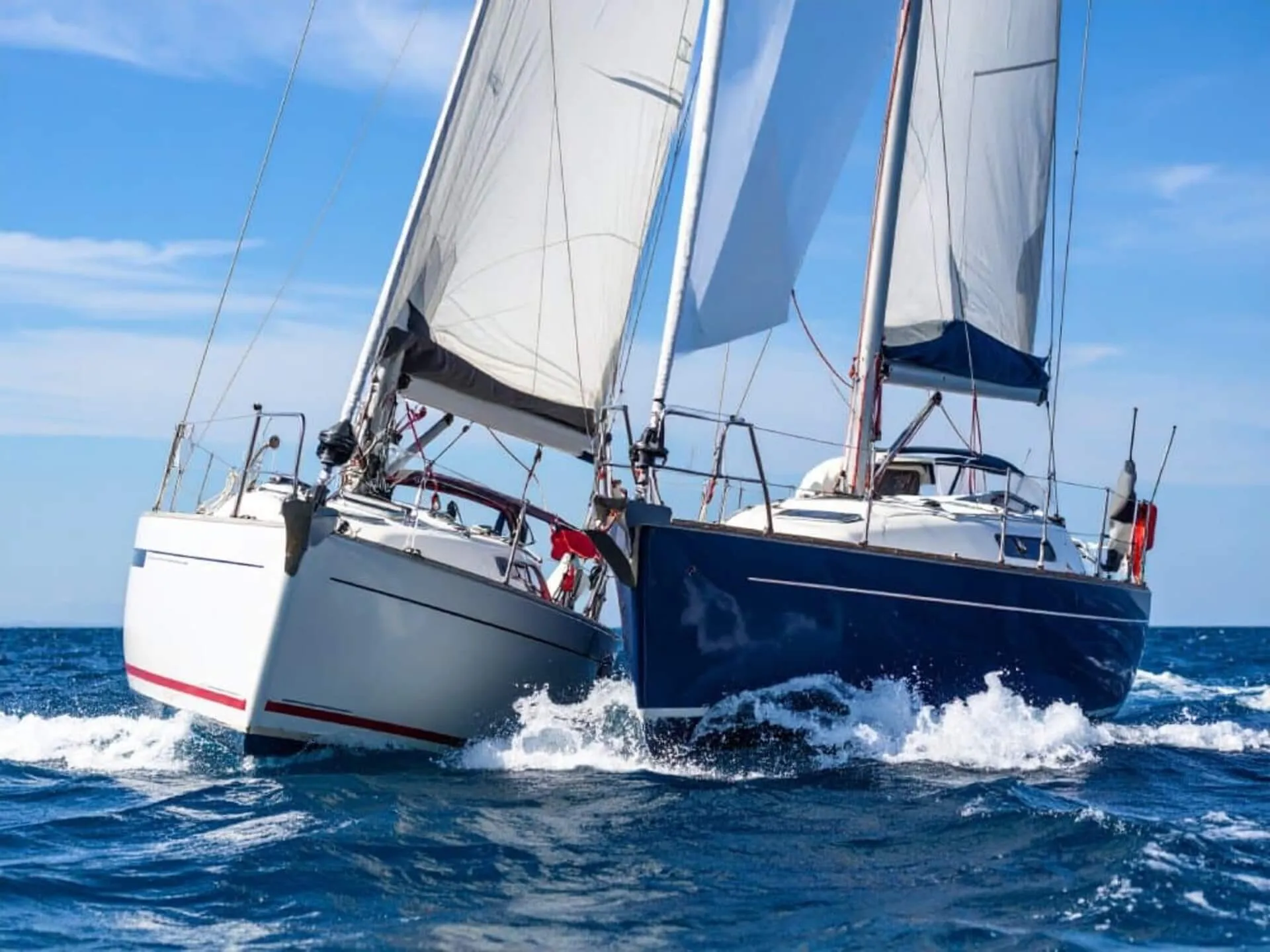
A boating incident is a Texas matter first
Recreational boating on Texas public waters is governed by the Texas Water Safety Act, and the Texas Parks and Wildlife Department is the agency responsible for boating safety under it. That is where a serious incident involving a private boat, its passengers, a swimmer, or a rented vessel begins: with the state’s operating rules, its reporting duties, and the officers who enforce them.
Federal maritime law can also reach a collision between pleasure boats on navigable waters, and when it does, some of the rules change. Whether it applies to a particular incident is a legal question that counsel reviews from the location and the facts. We review the Texas requirements, the investigation, and the available records before reaching a legal conclusion.
Commercial vessels, paid crews, charter and party-boat operations, and the workers on them are addressed on the Maritime Accidents page. Personal watercraft have rules of their own.
Who investigates, and what the operator must do
Game wardens commissioned by the Parks and Wildlife Commission are the primary enforcement officers for water safety in Texas. Other peace officers can enforce the Act only if they are certified as marine safety enforcement officers. Around Houston that includes the Houston Police Department’s Lake Patrol on Lake Houston and, on some waters, county or city marine units with certified officers. Which agency responded, if any, determines where the investigative file lives.
The operator of a vessel involved in a collision has duties of their own under Texas law: to help anyone in danger as far as that can be done safely, and to give their name, address, and vessel identification in writing to anyone injured and to the owner of any damaged property. When an incident causes a death, an injury needing medical treatment beyond first aid, or property damage above the dollar threshold the commission sets, the operator must provide a full description of the incident to a game warden or marine safety enforcement officer within the period the Act sets. The department asks that a death be reported promptly, and federal recreational-boating rules require a report to the state as well.
An officer who investigates files an incident investigation report with the department electronically within 15 days. That report records the water body and location, the weather and water conditions and whether the weather was as forecast, each vessel’s type and whether it was rented, life-jacket carriage and use, the operators’ experience, alcohol involvement, and the contributing factors the officer identified. It is often the most complete neutral account of the event.
Getting the report, and what it can and cannot do
Texas law generally treats an investigating officer’s incident report as confidential, but identifies people and entities entitled to receive it on written request. The list includes a person involved in the incident, that person’s authorized representative, an operator or owner of a vessel involved, an insurer covering a vessel or a person involved, and a person who may sue because of a death resulting from the incident. The firm requests the report as one of its first steps.
The 2023 amendments removed the former blanket statutory inadmissibility clause; they did not make an investigating officer’s report generally public. What a released report can prove, and how any part of it may be used in a civil case, remains a legal question that counsel addresses with the report in hand. An officer’s contributing-factor codes are an assessment, weighed with the physical evidence, the photographs, and the witnesses.
The operating rules that frame the review
Texas law prohibits operating a boat in a wilfully or wantonly reckless or negligent manner, at a speed greater than is reasonable and prudent for the conditions, in a way that creates a hazardous wake, or in circles around a person swimming or a boat whose occupant is fishing or skiing. The Coast Guard’s Inland Navigation Rules generally apply on these waters as well, including the duty to keep a proper lookout and to proceed at a speed that allows a vessel to stop in time to avoid a collision.
Equipment and operator rules matter for the same reason. Every boat must carry a wearable life jacket for each person aboard, and on a motorboat under 26 feet every passenger under 13 must wear one. An operator of a motorboat under 26 feet that the manufacturer equipped with an engine cutoff switch must attach the lanyard or wireless link before moving faster than headway speed, and a federal rule imposes a comparable duty on most such boats. A person born on or after September 1, 1993, needs a boater education card to operate a motorboat over 15 horsepower, and an operator under 13 must be supervised by an adult on board.
A violation of one of these rules is evidence in a civil review, not a conclusion. The firm identifies which rules applied to each vessel and each operator, then asks what the physical evidence and the witnesses show about how the collision happened.
Alcohol on the water
Operating a watercraft while intoxicated is a criminal offense in Texas, and intoxication that causes serious bodily injury or death is a felony that expressly includes watercraft. An arrest for intoxicated operation carries the same implied consent to a breath or blood specimen that applies to a driver on the road, so test results may exist in the criminal file.
The criminal case and the civil review run separately. A prosecution answers its own question under its own standard, some of its material is unavailable while it is pending, and its outcome does not decide a civil claim. Whether a marina, a bar, or a host bears any share of responsibility for an intoxicated operator is a legal question decided from the facts, and the firm does not assume the answer.
Rented boats and the companies behind them
A business that rents boats is a vessel livery under Texas law, and the Act gives it specific duties. It must carry liability insurance from an insurer licensed in Texas. Before releasing a rented vessel, it must instruct each operator on the Water Safety Act, on the vessel’s operating characteristics, and on the boating rules that apply where the vessel will be used, and it must keep each operator’s signed acknowledgment of that instruction for at least six months. It must also keep a record of who rented each motorboat, the vessel’s number, and the departure and expected return times for six months.
Those records show what a renter was told and when. A rental agreement usually includes a waiver, and the effect of that waiver on a claim is a legal question counsel reviews rather than a bar the reader should assume. Because the retention periods are short, the firm asks the livery to preserve its file early.
Galveston Bay, the lakes, and shared water
The waters around Houston shape the evidence. Galveston Bay is wide and shallow, with several sub-bays and long stretches of shoreline where recreational boats share water with commercial traffic bound for the Houston Ship Channel and the Gulf Intracoastal Waterway. Lake Houston is owned by the City of Houston and patrolled by the Houston Police Department’s Lake Patrol. Lake Conroe is maintained by the San Jacinto River Authority. Clear Lake and the coastal marinas are part of the same shared water.
Two consequences follow. A collision with a commercial vessel, a barge tow, or a charter boat brings in the vessel’s owner and operator and the Coast Guard records of a maritime accident. And the National Weather Service marine forecasts and warnings for the upper Texas coast become part of the record, because both the state and federal report forms ask whether the weather was as forecast.
When the incident belongs on another page
- A personal watercraft, whether the injured person was riding one or was struck by one, has rules specific to those vessels.
- A commercial vessel, a paid crew, a charter or party-boat operation, or a worker injured on the water is a maritime accident.
- A failure of the boat itself, such as steering, throttle, fuel, or cutoff-switch defects, raises defective product questions.
- A death on the water brings in the family and estate questions of a wrongful death claim; Texas law lists a person who may sue because of a death among those entitled to the incident report.
Bringing a boating incident to the firm
The most useful starting material is the written exchange of names and vessel information, photographs of the vessels and the scene, the names of witnesses and of any officer who responded, rental paperwork if a vessel was rented, and the medical care that has followed. A consultation begins with what the reader has, and the firm identifies which agency, livery, owner, and insurer records still need to be requested and preserved.