

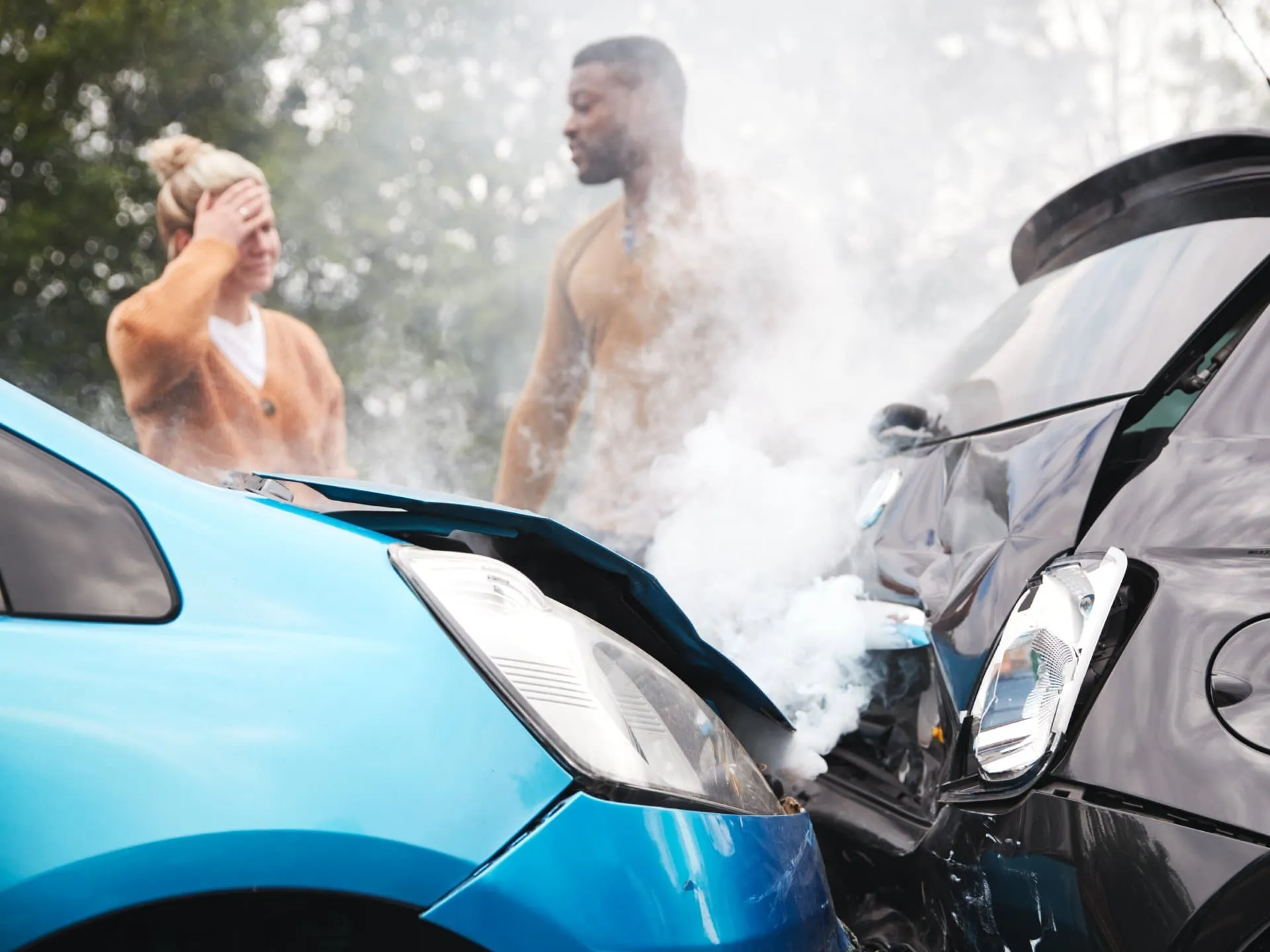
What a serious collision review examines
A serious car collision leaves a record in several places at once. The investigating agency writes a report and may hold photographs and video. The vehicles carry damage and, in many cases, electronic data. Nearby businesses and homes may have cameras. Hospitals, physicians, and employers document what happened afterward. Leatherwood & Schindler’s review of a Houston collision begins by identifying each of those sources, then testing every account of the crash against them.
The work has three parts. The first establishes how the collision happened: the vehicles, their movements, the roadway, the traffic controls, and the sequence of events. The second identifies everyone whose decisions may have mattered, which can include people and companies beyond the two drivers. The third connects the collision to the medical care, missed work, and practical disruption that followed, so the consequences are documented as carefully as the cause.
The crash report is not the whole file
In Texas, the officer’s crash report, usually called the CR-3, is filed with the Texas Department of Transportation, and TxDOT is the custodian of that report. Copies are purchased through TxDOT’s online crash-report system. The report is the usual starting point. It records the drivers, vehicles, and location, the officer’s narrative, and the officer’s opinion about contributing factors.
It is not the complete investigation. TxDOT’s own crash-records page says it holds only the report; dash-camera video, field notes, photographs, and other on-scene material must be requested from the investigating agency. Body-camera video and 911 or dispatch recordings are likewise held by that agency or its dispatch center, not by TxDOT.
In the Houston area that agency may be the Houston Police Department, the Harris County Sheriff’s Office, a constable’s office, the Texas Department of Public Safety, or the police department of a neighboring city, depending on where the collision occurred. Requests to the Houston Police Department run through the City of Houston’s public information request center under the Texas Public Information Act, and the Harris County Sheriff’s Office uses its own public records center.
Each agency follows its own process, and some material is retained only for a limited time. An early part of the review is confirming which agency responded and what it holds.
The report’s narrative and contributing-factor codes are the investigating officer’s assessment. They are weighed alongside the physical and documentary evidence, not treated as the final word on responsibility.
Evidence that sits outside any report
A passenger vehicle may carry an event data recorder that captures speed, braking, throttle, and restraint use in the seconds before a crash. Whether a particular vehicle recorded that data, and whether it can still be read, depends on the vehicle and on what happened to it afterward. A vehicle that is repaired, sold for salvage, or released by an insurer may take that information with it.
Video is similar. Traffic cameras, business security systems, doorbell cameras, and dash cameras in other vehicles record over their own footage on their own schedules, and some systems keep footage only briefly. Witness recollections also change. Identifying these sources early does not decide the case. It keeps the investigation anchored to material that existed close to the event.
Other records describe the setting: signal timing, construction and lane-closure records, lighting, weather, and sight lines. Phone and employment records can matter when distraction or on-the-job driving is in question, and they are pursued only when the facts justify it and the law permits it.
When the inquiry extends beyond the drivers
Most collision reviews begin with the drivers, and many end there. Some do not. A driver who was working at the time may have an employer whose scheduling, policies, and vehicle maintenance require review. A vehicle owned by someone other than the driver, a rental or fleet company, or a rideshare platform introduces additional records and sometimes additional insurance. A collision in a construction zone or one involving a government vehicle raises questions about roadway contractors or public entities, which carry their own notice rules and legal limits.
None of these participants is responsible simply because they appear in the record. Texas law compares the conduct of everyone involved, so a disputed account does not end the inquiry; it makes the physical and documentary record more important. Insurers are participants in the process and sources of coverage information, not automatically parties to a claim. Which relationships matter, and what they mean legally, is a case-specific question that counsel evaluates from the actual facts.
Connecting medical care to the collision chronology
Medical records document the injury, the treatment, and the changes over time. They also carry dates, histories, and descriptions of how the injury occurred, and those details are compared with the collision evidence. Gaps in treatment, prior conditions, and later complications are addressed directly in the record rather than left unexplained.
Employer records show missed work, restrictions, and changes in duties or pay. Household evidence shows who took on transportation, childcare, or daily tasks. A chronology that is consistent across these records and the collision evidence is what allows the consequences of a crash to be explained to an adjuster, a mediator, or a jury.
Records worth keeping now
- Keep the crash report number and any form the officer provided.
- Save photographs of the vehicles, the scene, and visible injuries, along with the names and contact information of witnesses.
- Keep every letter, email, and claim number from any insurer, and note the date and substance of phone calls.
- Do not discard damaged property, and if a vehicle is about to be repaired or released, arrange for it to be photographed and, where appropriate, inspected first.
A short running log of medical appointments, symptoms, missed work, and out-of-pocket expenses is more reliable than memory months later. None of these steps requires a lawyer, and none commits you to anything. They preserve information that is difficult to reconstruct once it is gone.
How Houston changes the record
Houston’s roadway network carries commuter traffic, commercial trucking, construction, and port-related freight on the same freeways and arterials, and the metropolitan area spans many cities and law-enforcement jurisdictions. A collision on a county freeway, a downtown street, a toll road, and a suburban arterial can each be investigated by a different agency with different records and cameras. The practical consequence is that record identification is case-specific, and it is one of the first things the firm confirms.
Where this page stops
We handle serious collisions between passenger vehicles, including head-on, lane-change, sideswipe, and reckless-driving collisions, which differ in the physical evidence they leave rather than in where the record lives.
- A collision involving a commercial truck or 18-wheeler turns on the carrier’s operation and federal records, which is why truck accidents are reviewed separately.
- Company and fleet vehicles, rideshare trips, and collisions involving motorcyclists, pedestrians, bicyclists, and scooter riders each raise their own evidence and legal questions.
- Distracted driving, drunk driving, rear-end collisions, and hit-and-run collisions each add something particular to the record.
- After a fatal collision, a wrongful death claim raises family and estate questions that the firm coordinates with the investigation described here.
Discussing a collision with the firm
Leatherwood & Schindler represents people and families in serious-injury matters, and a consultation begins with the facts: where and when the collision happened, who responded, what medical care has followed, and which records already exist. Bring what you have. The firm will identify what still needs to be requested and explain the questions the record raises.