

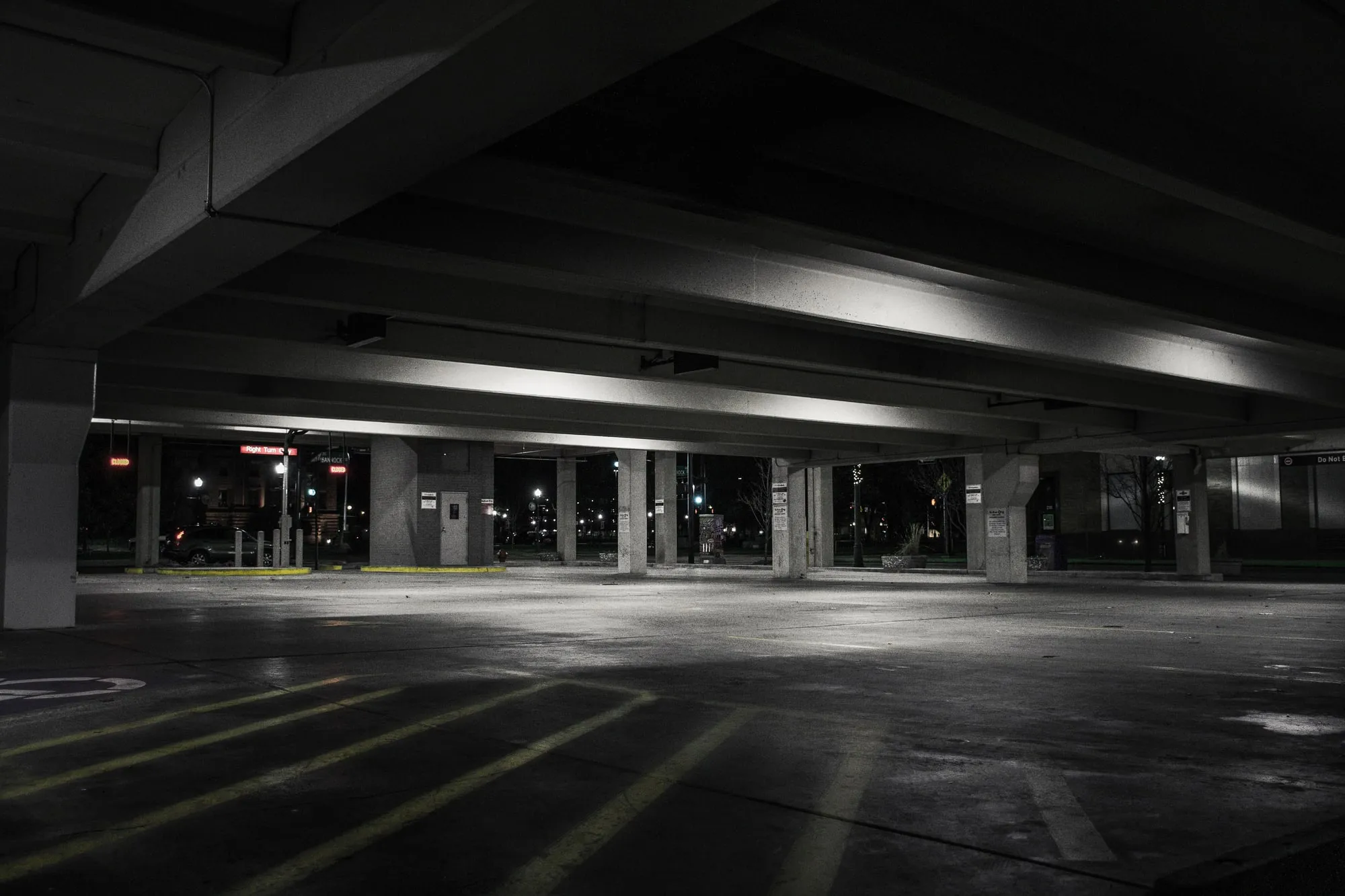
A crime on the property does not by itself make the owner responsible
The general rule in Texas is that a person, including a property owner, has no legal duty to protect others from crimes committed by third parties. The exception is the subject of this page: the owner or operator that controls a property does owe its business invitees, such as store customers, a duty to use ordinary care to protect them from criminal acts when it knows or has reason to know of an unreasonable and foreseeable risk of that harm. Both words carry weight. The risk has to have been foreseeable, and it has to have been unreasonable in light of what it would have taken to address it.
The person who committed the crime is responsible for it, and nothing on this page suggests otherwise. The civil claim asks a different question about a different party: what the owner, the management company, or the security contractor knew, and what it did with that knowledge. A property owner does not guarantee a visitor’s safety, and the fact that a crime occurred does not by itself show that anyone but the person who committed it did anything wrong.
Whether the crime was foreseeable
Texas courts judge foreseeability from prior crime and what the owner knew about it. They consider whether criminal conduct previously occurred on or near the property, how recently, how often, how similar it was to the crime that happened, and how much publicity it received, which bears on whether the owner knew or should have known. Those five considerations are weighed together rather than one at a time. The more similar the prior crimes, the fewer are needed to show that this one was foreseeable, and there is no set number of prior incidents that either establishes or defeats foreseeability.
What the owner knew is shown by its own records and by public ones. The property’s incident logs, courtesy-officer and security reports, prior resident or customer complaints, and management emails show what was reported to it. Police reports for the address and for the surrounding area, prior lawsuits, and news coverage show what was knowable.
Foreseeability is the beginning, not the end
A foreseeable risk is not enough on its own. Texas courts separately ask whether the risk was unreasonable, which means weighing how likely and how serious the foreseeable harm was against the burden that preventing it would have placed on the property and on property owners generally. If a measure would have been easy, failing to take it may have been unreasonable; if the burden of preventing the harm was out of proportion, the risk is not treated as unreasonable.
That is why the claim has to identify the reasonable step that was not taken: a gate or lock repaired when it was reported, lighting restored in a garage, a camera system that was monitored rather than merely present, staff trained to respond to reports, or a policy of acting on complaints. A claim that shows prior crime but never shows what should have been done, and at what burden, can fail on this question. A narrower situation exists as well. Where a property had actual and direct knowledge that violence was imminent, as when a confrontation was escalating in front of its staff, and had time and means to defuse it, Texas courts have recognized a duty even though the danger was apparent to everyone, while describing that holding as narrow and fact-specific.
Apartments: locks, gates, lighting, and what the landlord knew
Texas law requires a landlord to equip a rental dwelling with specific security devices without the tenant having to ask: a window latch on each exterior window, a doorknob lock or keyed deadbolt on each exterior door, a pin lock and either a handle latch or a security bar on each exterior sliding glass door, and, with limited exceptions, a keyless bolting device and a door viewer on each exterior door. The landlord must rekey the locks at its own expense within seven days after a tenant moves in and must repair or replace a device that stops working when the tenant asks. The statute supplies its own remedies between tenant and landlord, such as rent deduction, lease termination, and a court order. How those remedies relate to a claim for an injury is a question counsel reviews; the landlord’s compliance, and its records of tenant requests and repairs, are evidence either way.
Everything outside the dwelling’s own doors and windows is evaluated under the general framework. A perimeter gate, breezeway and courtyard lighting, cameras, a courtesy officer, and a contract patrol are not required by that statute; the questions are what the community provided, what it advertised to residents, what residents reported, and what it did in response. Work orders showing how long a gate stood open, emails about a lighting outage, and the security contract and its post orders show who knew what and when.
Parking facilities, stores, and nightlife venues
A parking lot or garage can be owned by one company, managed by another, and served by a store or office whose customers use it, and the records of access control, lighting, sightlines, attendants, patrols, and prior incidents are held by whichever of them controlled those functions. Control of the property decides who answers for it, as in any premises liability claim. Convenience stores, gas stations, and hotels raise the same questions with their own records: staffing at night, the view from the register or front desk, the response to prior robberies, and the policies employees were trained to follow.
At a bar or nightclub, the questions are staffing and crowd control, entry and identification policies, how staff responded when a confrontation began, whether patrons who were fighting were separated or removed, and what the video shows. A claim against a venue for serving an obviously intoxicated person who then hurt someone is governed by a separate Texas statute and is reviewed as its own matter rather than as a negligent security claim.
Hurt by an employee rather than a stranger
When the person who caused the harm worked for the property or the business, the claim follows a different path that asks about the organization’s hiring, supervision, and retention of that person and whether the conduct fell within their work. Claims against an organization for abuse or assault by its own employees or agents are addressed separately, with the privacy and procedural care those matters require, and are not the subject of this page.
The records, private and public
The property’s own records come first: incident logs, courtesy-officer and security reports, the security contract and post orders, patrol logs, work orders for gates, locks, lights, and cameras, camera footage and the system’s retention settings, staffing schedules, written policies, prior complaints, and the marketing that described the property’s security features. The firm sends a written preservation request for footage and logs at the outset.
Public records show what was knowable. In Houston, offense and incident reports are requested from the Houston Police Department, which releases a summary public information report on request and a full report depending on the status of the criminal case; for unincorporated Harris County, the Harris County Sheriff’s Office holds the reports.
The Houston Police Department also publishes crime data by police beat and block, which is a source of prior-incident information and not, by itself, proof of what an owner knew. Prior lawsuits against a property can be searched at the Harris County District Clerk, code-enforcement complaints are made through the city’s 311 system, and whether a contract security company or a commissioned security officer is licensed can be checked with the Texas Department of Public Safety, which regulates private security under Texas law. Whether the person who committed the crime was identified, arrested, or convicted becomes part of the record and does not decide the civil claim, which is evaluated under its own standard.
Serious injuries and deaths
A gunshot, stabbing, or beating that changes what a person can do is documented as a catastrophic injury, and a blow to the head as a traumatic brain injury. A death becomes a wrongful death claim, with the family’s claim and the estate’s claim kept distinct. A consultation opens with what happened, where, and what the property has said since.