

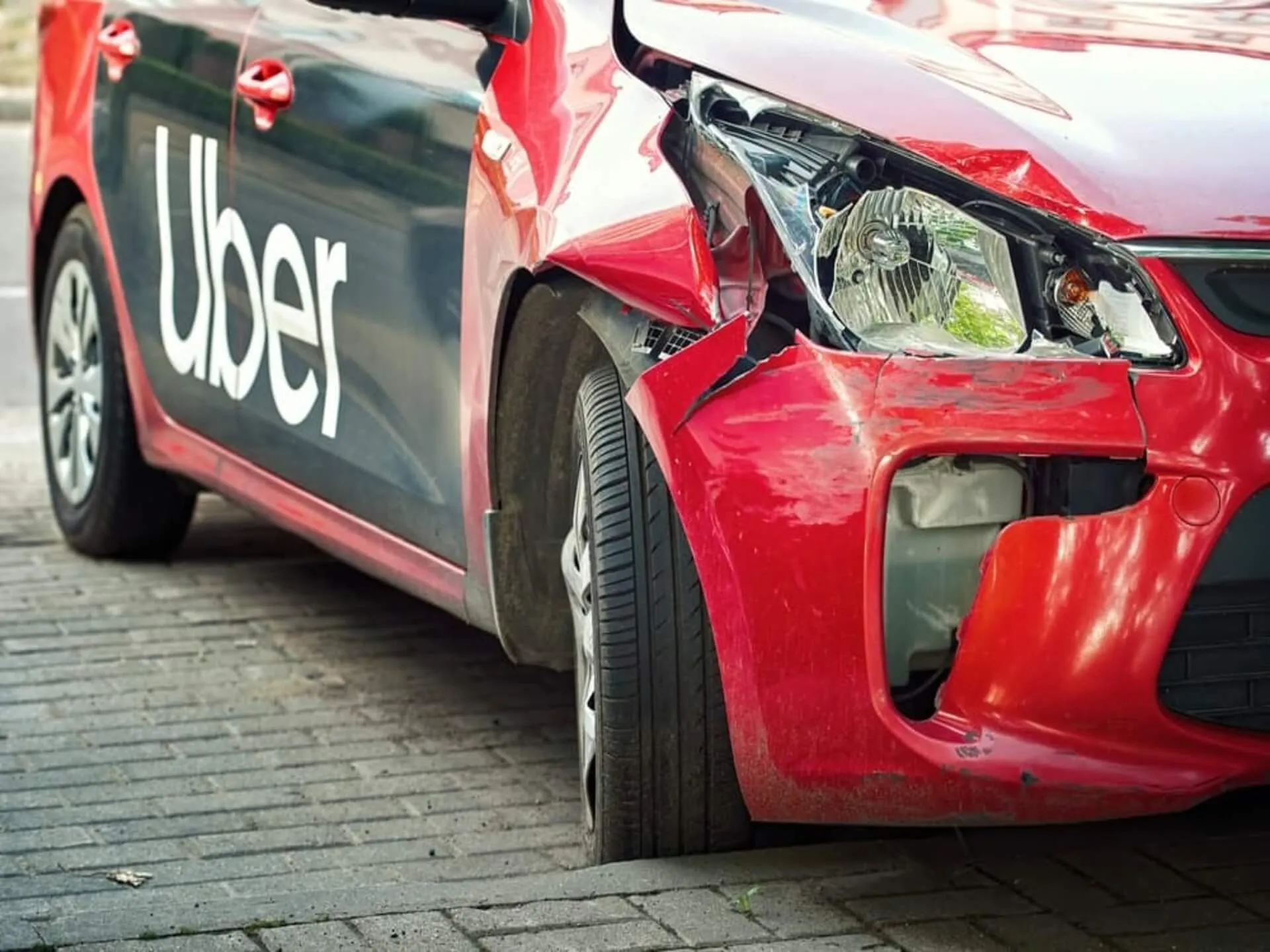
An Uber trip leaves a record inside the app
When a rider requests an Uber trip, the app shows the driver’s first name and photograph and the vehicle’s make, model, and license plate before the vehicle arrives, and when the trip ends Uber sends a receipt. Uber states that every trip on its platform is tracked by GPS, and the data a rider can download from Uber includes the times and locations at which each trip was requested, started, and ended, the distance traveled, the messages the rider sent to the driver, and the metadata of any support conversation. A driver’s download includes the same trip history along with the documents the driver uploaded to Uber, such as the license, insurance, and registration.
Uber’s safety features add to the record when they were in use. RideCheck uses sensors and GPS data to detect a possible crash or an unusual route. A rider or driver may have recorded audio through the app, and Uber invites drivers to register inward- and outward-facing dash cameras. None of this replaces the crash report, the investigating agency’s file, or the vehicle and video evidence gathered after any Houston car accident. It is read alongside them, and it is the part of the record that only exists because the trip ran through Uber. Leatherwood & Schindler is not affiliated with Uber Technologies, Inc. or its Texas operating entity; the Uber name on this page identifies the service involved in a collision.
Which Uber entity is involved in Texas
Uber’s rider terms are an agreement with Uber Technologies, Inc., and that company is the data controller named in Uber’s privacy notice. The Texas transportation network company permit, however, is held in the name of Rasier, and Rasier, LLC is the entity named as the contracting party for Texas drivers in the platform access agreement Uber publishes. The certificate of insurance Uber publishes for Texas lists the Rasier entities as the named insureds, identifies the insurer as United Financial Casualty Company, and describes coverage by the logged-on situations Texas law distinguishes.
Two lines on that certificate matter to an injured person. The certificate states that uninsured and underinsured motorist coverage is not included in any amount, and Uber’s own insurance page says that it maintains that coverage only where a state requires it and that riders may have it through their own policies. The firm requests the policy itself; the certificate tells counsel where to start. Uber’s terms describe its drivers as independent third-party providers and state that Uber is not a carrier. Which of these entities belongs in a claim, and when a rideshare company answers for a driver at all, are questions decided under the Texas rideshare rules.
Rider, other driver, or pedestrian
A rider has an account with Uber, and with it the receipt, the downloadable trip data, the in-app report, and an agreement that contains an arbitration clause with limited exceptions; what that clause means for a claim is a question counsel reviews before any claim against the company itself is considered.
Someone in another vehicle, on foot, or on a bicycle has no Uber account tied to the trip. Uber provides a web form it calls a third-party incident notice for people in that position, and a report there opens the same claims process. Texas requires the driver, on request, to say whether the driver was logged on or on a prearranged ride and to show proof of the required insurance.
The Uber driver reports through the driver app, and after a report Uber directs the driver to a Crash Center inside the app for contact with Uber’s insurer, the status of the claim, and rental options. Uber tells drivers there is no need to report to a personal insurer unless the personal policy carries a rideshare endorsement.
Reporting a collision to Uber, and what that does not do
Uber asks everyone involved in a crash to report it: riders through the trip’s details screen or the safety incident reporting line, drivers through the safety toolkit, and other parties through the web form. Uber then reviews the report, may ask for more details, and says its claims support team will guide the person through the claims process with the insurer for that state. Uber or the insurer’s representatives may contact the people involved.
A report to Uber is not a police crash report, it is not a claim decision, and it does not preserve evidence outside Uber’s systems. The firm asks to see any report already made, and it can address a report and any follow-up contact with a client before a recorded account is given.
Rides and deliveries on one platform
Not every vehicle with an Uber decal is on a rideshare trip, and not every Uber trip falls under the same insurance. Uber Eats deliveries are covered by a separate delivery policy that Uber describes on a separate page, with different coverage and no coverage for the courier’s own vehicle or injuries. Uber Black and Uber Black SUV drivers must carry their own commercial auto insurance, and Uber states that its rideshare coverage does not apply to commercially insured drivers. UberX, UberXL, Uber Comfort, UberX Share, Uber WAV, Uber Pet, and teen-account trips are ordinary rideshare products, and Uber’s insurance page describes its coverage as applying to qualifying rideshare trips, and Uber now lists autonomous vehicles among its ride options in some cities.
Identifying the product matters because it identifies the policy. The receipt names the product, and the firm confirms it before assuming which coverage applied.
How Uber’s records are obtained
A rider or driver can retrieve their own receipt and trip download without any legal process. Everything else is obtained from Uber through process. Uber’s published guidelines direct civil litigants to serve subpoenas on its registered agent, with a defined time period, the specific data sought, and an identifier such as the email address or phone number on the account. Uber states that location data is released to law enforcement only under a warrant or an emergency request, that it preserves account records for a limited period when asked to, and that recordings of customer-support calls are business records that can be subpoenaed. Uber also states that because drivers are independent contractors it keeps no employee records, so a request for a driver’s history must ask for the driver’s prior complaint history in those words.
The preservation request goes to Uber and to the driver early, identified by the rider’s account and the time, and most of the rest, from trip location data to the driver agreement, is obtained through discovery once a claim is filed, as with any rideshare collision.
What the firm asks first about an Uber trip
The first questions in a consultation about an Uber collision concern the trip:
- the trip screen or receipt and product name;
- the driver and vehicle as displayed in the app;
- any report already made to Uber; and
- the police crash report.
The firm identifies the entity and the policy from Uber’s own documents, secures the trip record, and builds the review from that record. Lyft and Alto are two other services operating in Houston, each with records of its own, and a driver’s interaction with the app before impact raises the evidence questions of distracted driving.