

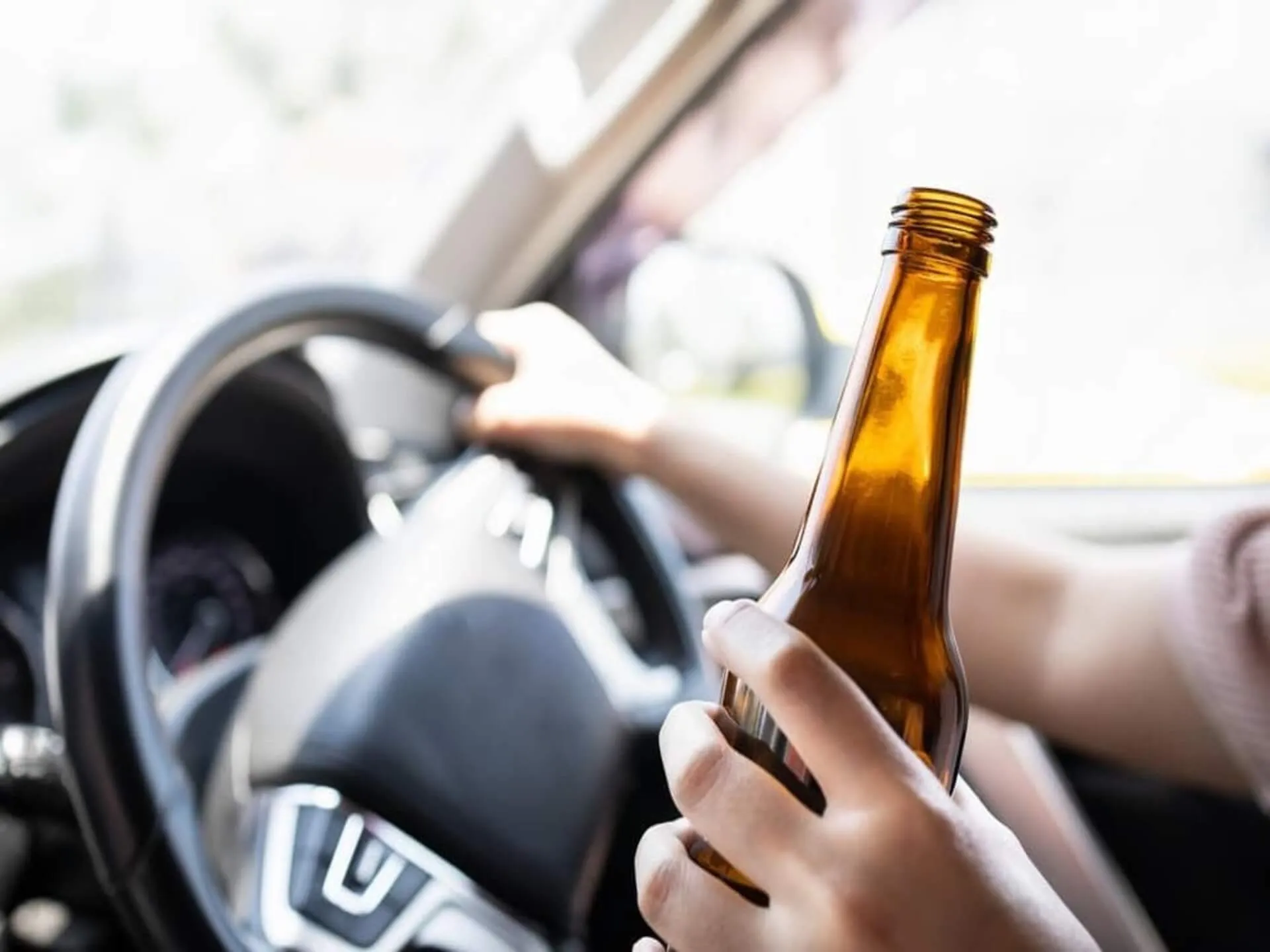
The criminal case and the civil claim run on separate tracks
An arrest for driving while intoxicated begins a criminal case that belongs to the State of Texas. In Harris County, the District Attorney decides what to charge, the court sets the timetable, and the outcome is a conviction, a plea, an acquittal, or a dismissal. The injured person is a witness and a victim in that case, not a party to it. The case does not exist to compensate anyone, although a criminal court may order restitution as part of a sentence, and that order is separate from a civil claim.
The civil claim is the injured person’s own. It asks whether the driver failed to use ordinary care and whether that failure caused the injury, it is proved on the civil standard rather than beyond a reasonable doubt, and it is decided in a different court from the evidence of the collision. It uses the arrest and test records, and it does not wait for a verdict. A driver who is never charged, or who is acquitted, can still be found responsible in the civil case, and a conviction does not by itself establish the civil claim.
The third track is the question of where the alcohol came from. Texas allows a claim against a business that served the driver only on proof of specific facts, treats that claim as separate from the claim against the driver, and gives the state’s alcohol regulator its own administrative process. That track is described below. Keeping the three apart is the first discipline of an impaired-driving review, because each produces different records on a different timetable.
Records an impaired-driving arrest creates
Texas implied-consent law does not make hospital transport alone an automatic specimen trigger. When an officer arrests a driver for an intoxication offense, the driver refuses voluntary testing, and the statutory collision and injury conditions are met, Section 724.012 may direct the officer to require a specimen. The statute distinguishes death or serious bodily injury, for which it specifies blood, from qualifying bodily injury with transport for medical treatment, for which it permits breath or blood. A compelled blood draw still requires a warrant or a legally recognized exception to the warrant requirement. The firm therefore obtains the warning, refusal, warrant, collection, and laboratory records instead of assuming that a test occurred or was lawful.
Houston Police Department policy adds a layer of its own. The department’s published order on driving while intoxicated provides for evidence technicians who administer breath tests and draw blood, for video recording of the statutory warning, breath testing, and blood draws at department facilities, for recording a field refusal on the officer’s body camera, and for blood search warrants prepared with the District Attorney’s assistance, including during the “no refusal” operations the District Attorney’s office runs. Blood in many Harris County cases is analyzed by the county’s forensic-science institute, whose toxicology laboratory is accredited for that work, and breath testing runs under the Department of Public Safety’s breath alcohol program, which keeps the instrument and operator records. The court file holds the charging instrument, the plea or verdict, the judgment, and any restitution order.
The crash report records impairment as well, though not in a single box. It has fields for the type of specimen taken and the result, contributing-factor codes for a driver who had been drinking and for intoxication by alcohol or by drugs, and a narrative. When the laboratory result arrives after the report is filed, the officer submits a supplemental report, so the first copy of the report may show no result at all. The report and the rest of the roadway record are requested the same way as after any Houston car accident.
Records withheld while the prosecution is pending
While a prosecution is pending, the investigating agency and the District Attorney may withhold most of the investigative file under the Texas Public Information Act, including offense reports, videos, and photographs, but basic information about the arrest and the offense must be released promptly. Body-camera recordings that could be evidence in the prosecution are subject to request but may be withheld on the same basis, and a separate statute gives the arrested driver, not the injured person, a right to a copy of the stop, arrest, and testing video. The fuller file, the laboratory results, and the video generally become available once the case is resolved, depending on how it ends, or through the civil case’s own discovery, and the firm requests the basic information at once and the rest as the law allows.
The criminal case has its own structure for victims. The District Attorney’s office prosecutes vehicular crimes through a division within its special crimes bureau and maintains a victim services division as its point of contact, and the court records show the case number and the court, which differ for a misdemeanor and for a felony. The firm follows the criminal case for what it produces. It does not run it, and it does not advise a client to wait for it.
The civil claim against the driver
The civil claim is a negligence claim: a duty of ordinary care, a breach of it, and an injury the breach caused. Intoxication is evidence of a breach, and it remains evidence rather than a conclusion. The claim is still built from the physical and documentary record of the collision itself: the report, the agency file, vehicle data, video, and witnesses. Texas compares everyone’s conduct, as in any car accident, and the other side will look for conduct to assign, which is why the record is assembled as if the arrest did not exist and then read together with it.
Whether the driver’s conduct supports anything beyond ordinary compensation is a fact-specific legal question that counsel evaluates from the record. It is never assumed from the fact of an arrest, and this page does not promise it.
The hours before the collision, and where the alcohol came from
Texas allows a claim against a provider that sold or served alcohol only on proof that, at the time of service, it was apparent to the provider that the person was obviously intoxicated to the extent of presenting a clear danger to that person and others, and that the intoxication caused the harm. That statute is the exclusive claim against a provider for serving a person eighteen or older, it leaves the claim against the driver untouched, and it does not make a bar or restaurant responsible for a collision because the driver had been there.
A provider may raise a statutory defense tied to state-approved server training, which changes what each side has to prove rather than ending the question.
Texas does not recognize general social-host liability merely because alcohol was present or served to an adult. Texas recognizes a narrow statutory claim involving an adult who knowingly serves or provides alcohol to a minor under the circumstances Section 2.02(c) identifies. Whether that provision applies depends on the person’s age, relationship to the minor, control of the premises, knowledge, and causation.
The question is answered from the driver’s chronology. Receipts, bar tabs and card records, point-of-sale data, staffing schedules, server certifications, surveillance video, rideshare or taxi records, and the accounts of the people who were there show where the driver was, for how long, and in what condition. Those are private business records, kept under the business’s own retention practices, and the firm sends preservation requests to any venue identified from the chronology as soon as it is identified. The Texas Alcoholic Beverage Commission holds a separate, public layer. Its public inquiry system shows a license’s status and, for many licenses, its administrative violations and complaints, with the rest available through the commission’s open-records process, and its officers assist police in tracing the source of alcohol after crashes that cause death or serious injury. An administrative case the commission brings against a business is a third proceeding with its own standards. It does not decide the civil claim, and neither does its absence.
Drugs, prescriptions, and impairment beyond alcohol
The Texas definition of intoxication reaches any substance that deprives a driver of the normal use of mental or physical faculties, and separately an alcohol concentration of 0.08 or more. A driver impaired by a controlled substance, a prescription, or a combination is treated the same way in the criminal case. The evidence differs. Drug results come from blood analysis, the county laboratory notes that urine results show exposure to a drug rather than impairment by it, and the Houston Police Department trains officers in a drug-recognition program whose observations become part of the file when drugs are suspected. The chronology question changes too, because the source of a drug is not a bar, and the records that show it are medical and pharmacy records that the law protects.
Impaired drivers in company vehicles, rideshare trips, and elsewhere
- A company vehicle. An employer’s policies on alcohol and drugs, its testing program, and its records of the driver’s shift are part of a commercial vehicle accident review.
- A rideshare trip. Texas requires a rideshare company to adopt a policy prohibiting any intoxication by a logged-on driver, to investigate a passenger complaint, and to suspend the driver during the investigation, so the platform may hold complaint and suspension records of its own. Those platform records are reviewed alongside the ordinary collision evidence.
- A driver who left the scene. A hit-and-run review pairs identification and evidence preservation with review of potentially responsible parties and policies when the driver is unknown or uninsured.
- A boat. Intoxicated operation of a watercraft is a separate offense, addressed under the maritime, offshore, and boating practice area.
- A death. A fatal collision changes the review, and a wrongful death claim brings in what the family and the estate then face.
Contacting the firm after an impaired-driving collision
What the officer said about the driver’s condition, whether an arrest was made, the case number if one is known, where the driver had been if anyone knows, and the crash report are the starting points of a consultation. Leatherwood & Schindler follows the criminal case for the records it produces, builds the civil claim from the collision record, and asks about the hours before the collision at the first conversation, because the records that answer that question are the ones that disappear first.