

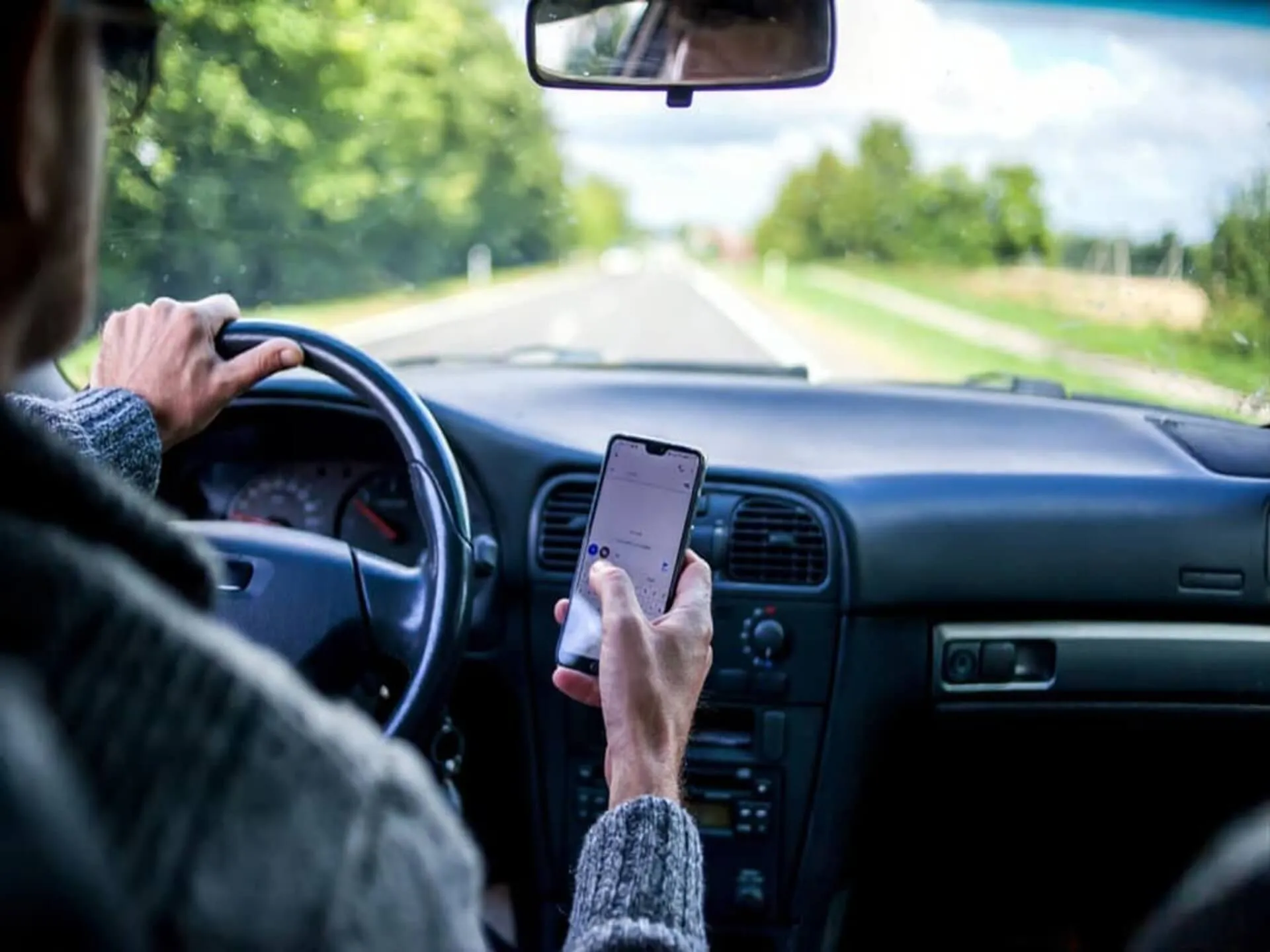
Distraction is shown by records, not assumed from the collision
A collision in slow traffic, at a green light, or on a straight road with nothing in the way invites the conclusion that the other driver was not paying attention. The conclusion may be right, and it is still not evidence. Whether a driver was looking at a phone, a screen, a passenger, or something on the seat is established from records of the seconds before impact, and each kind of record has its own source, its own limits, and its own process for obtaining it.
We identify those records and follow the legal requirements for obtaining them. The crash report, the investigating agency’s file, the vehicle’s own event data recorder, and the video that businesses and homes record are the same starting point as in any Houston car accident. The attention evidence adds to that record.
Texts, calls, apps, and the other kinds of inattention
The Texas crash report gives the investigating officer separate codes for distraction inside the vehicle, driver inattention, and phone or mobile-device use, and it divides device use into talking, texting, other uses such as internet or email, and unknown. The definitions require that the conduct contributed to the crash, they include hands-free use, and the manual’s own examples of inattention are eating, putting on makeup, and adjusting the radio. When the officer selects one of those codes, the report records an opinion formed at the scene or afterward, and the unknown code exists precisely because the officer often cannot tell what the driver was doing. The code is where a distracted-driving review starts, not where it ends.
Distraction is broader than phones. Navigation screens, infotainment menus, passengers, food, and events outside the vehicle divert attention, and the evidence for each differs. A phone leaves records with a carrier and on the device. A screen interaction may be logged by the vehicle. A passenger or an event outside the car is shown, if at all, by witnesses and video. The firm asks what the driver was doing rather than assuming a phone, and it looks for the records that kind of distraction would leave.
The Texas messaging law and what a violation does and does not establish
Since September 2017, Texas has prohibited a driver from using a handheld wireless device to read, write, or send an electronic message while the vehicle is moving. The statute lists defenses, including hands-free use, navigation, reporting an emergency or entering traffic information into an app, reading a message the driver reasonably believed concerned an emergency, and devices affixed to the vehicle for dispatch communication in the driver’s occupation. It provides that an offense must be seen by an officer or established by other evidence, and it bars an officer who stops a driver for the offense from taking or inspecting the phone unless some other law allows it. Handheld use is separately restricted in school zones and on school property during reduced-speed periods, drivers under eighteen may not use a wireless device at all except in an emergency, and Texas cities may adopt broader restrictions throughout their limits, so the rule can differ from one city to the next.
A violation of that statute is a traffic offense decided in a different court on a different standard. Whether it bears on a civil claim, and how, is a legal question counsel evaluates, and the firm treats a citation, a dismissed citation, or the absence of one as evidence to be weighed rather than as a conclusion. The statute’s own limits point the same way. Possession of a phone is not proof of use, an officer who stops a driver for the messaging offense may not inspect the phone, and the report’s unknown code exists for that reason.
Phone records and the process that governs them
Two different things are meant by phone records. Non-content subscriber and transaction records may be obtainable through civil discovery when relevant, subject to notice, objections, court supervision, and applicable privacy law. The content of messages is governed by different rules and ordinarily requires a different source or legal basis.
Texas discovery rules limit requests to relevant, nonprivileged matters, provide notice and an opportunity for objections, and allow court supervision of requests to nonparties. The firm does not seek informal carrier access, access another person’s device, conduct surveillance workarounds, or bypass lawful process.
Infotainment, phone pairing, and vehicle data
Many vehicles record more than the event data recorder. Infotainment and telematics systems in some vehicles log the phones paired to them, call logs and contacts, sometimes messages, navigation history, and vehicle events such as doors opening, gear changes, and lights being switched on, with times attached. Whether a particular vehicle stored any of that, and whether it survived repair or salvage, is a question that has to be asked vehicle by vehicle, and it has to be asked before the vehicle is repaired or sold. A collision-warning or automatic-braking system may also have left a record, depending on the vehicle.
Those systems record what happened to the car, not why. A paired phone with a call in progress, a navigation destination entered a few seconds before impact, or a screen interaction logged at the wrong moment becomes meaningful only alongside the other evidence, and the firm has the vehicle inspected by someone qualified to retrieve the data without altering it.
Witnesses, video, and the seconds before impact
Some of the most useful evidence of distraction is not electronic. A witness in the next lane who saw a driver’s head down, a phone at an ear, or the glow of a screen at night describes the seconds that no record captures, and the firm identifies those witnesses early because their accounts fade. Video from dash cameras in other vehicles, from businesses and homes facing the roadway, and from the investigating officer’s own cameras may show the driver’s posture or the vehicle’s path before impact. Some of that footage is kept only briefly, which is why it is requested at once.
The 911 call and the dispatch record fix the time of the collision, and the driver’s own statements at the scene, to the officer or to others, are part of the file. What was said about a phone, a passenger, or a distraction in the first minutes is compared with the records that follow.
Distracted drivers who were working, delivering, or driving for a platform
A driver who was working at the time adds an employer, and often a device, to the review. Employers may have written device policies, and dispatch systems, delivery scanners, route apps, and fleet telematics record what the driver was doing on the company’s behalf. The Texas messaging statute’s own exception for occupational dispatch devices affixed to the vehicle recognizes that some work requires a screen, and whether that exception applies is a fact question. A company vehicle brings the employer’s fleet and dispatch records, a rideshare trip brings what the platform records about a driver’s app activity, and a commercial truck may carry cameras and electronic records of its own.
Distraction also overlaps with two other questions. When a driver struck a vehicle from behind, the sequence and distance questions of a rear-end collision apply, and the driver’s attention also needs review. When impairment rather than inattention is the question, the testing and arrest records of a drunk driving collision come into play. A fatal collision adds the family and estate questions of a wrongful death claim.
Raising a distracted-driving collision with the firm
Come to a consultation with what was seen and said:
- what the other driver appeared to be doing;
- who else saw it;
- what the driver said at the scene; and
- whether any camera faced the roadway.
Leatherwood & Schindler identifies the records that kind of distraction would leave, pursues them through the process the law allows, and asks clients from the first conversation to not delete or alter anything on their own phones.