

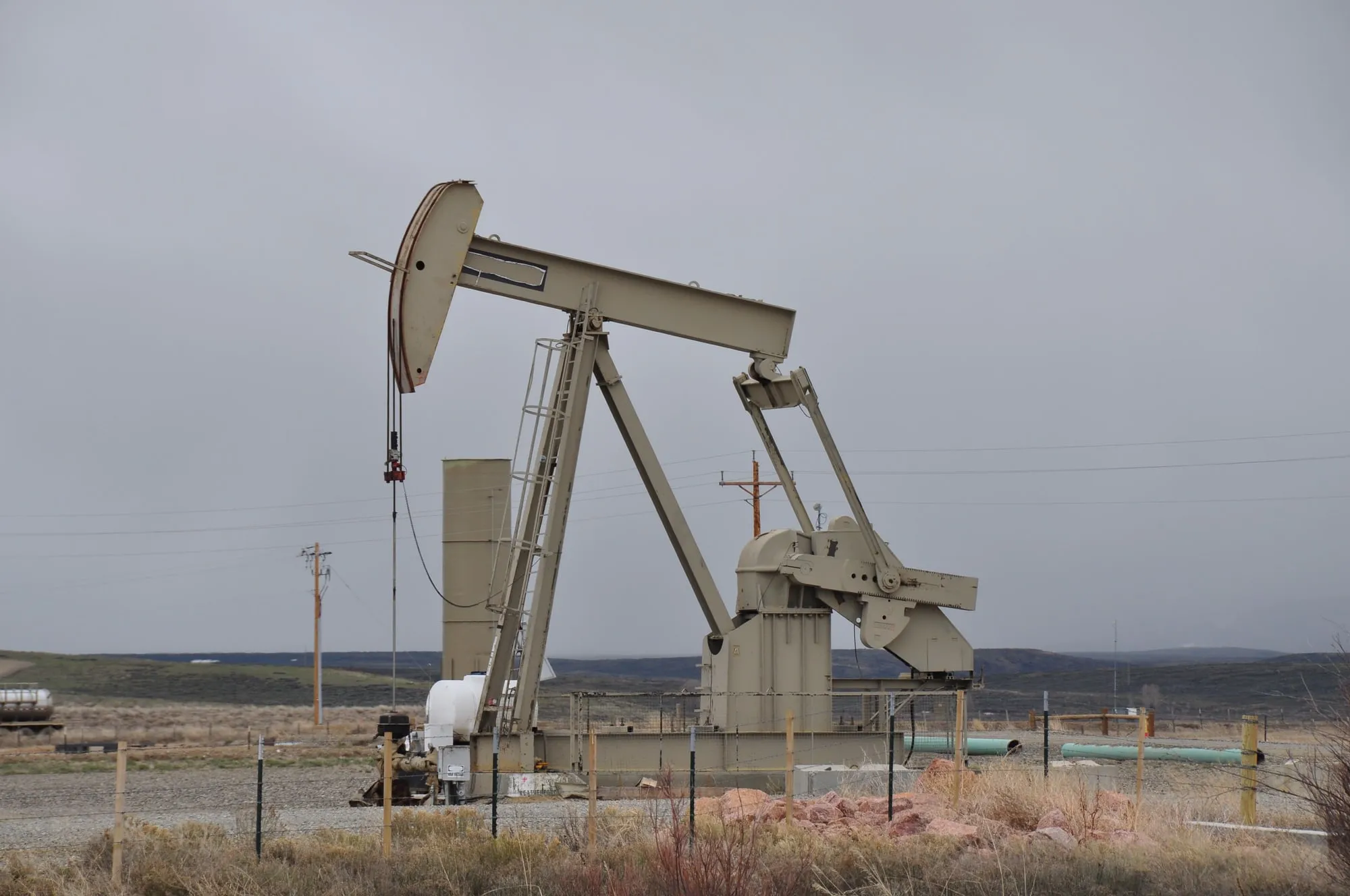
What this page covers
We handle serious injuries in onshore oil and gas operations: drilling, completion and hydraulic fracturing, workover, production, and the service work that supports them at wells, pads, tank batteries, and related yards. Offshore platforms, rigs, and vessels raise the maritime and outer-continental-shelf questions of offshore accidents, while separate process-facility questions arise at refineries and other downstream processing facilities.
Oil and gas extraction and the services that support it are among the Gulf Coast region’s most concentrated industries in the state comptroller’s regional data, and many operators and service companies that work wells across Texas maintain offices here. Leatherwood & Schindler reviews wellsite matters from Houston, and the companies, contracts, and records involved are often here as well.
Which companies were on location
A single wellsite operation can involve:
- the operator that holds the lease and directs the work;
- a drilling contractor that owns and crews the rig;
- completion, pressure-pumping, wireline, coiled-tubing, cementing, mud, directional-drilling, and testing companies;
- workover and production service companies;
- staffing companies that supply hands;
- equipment rental companies;
- hauling and vacuum-truck operators.
Each is on location under a contract, often a master service agreement, that assigns scopes of work and allocates risk between companies.
The operator is not automatically responsible for everyone on its location, and the injured person’s direct employer is not the only company whose conduct matters.
The limits Texas law places on a property owner’s responsibility to a contractor’s employees apply to an operator’s lease as they do to any other site, and contracts can shift responsibilities in ways that only the documents reveal. The firm’s first task is to identify every company on location by name and to obtain the agreements that define what each one controlled.
Texas coverage status on a wellsite
Coverage is elective for most private employers in Texas, and the general workplace injury review explains how status is verified and why it changes the legal questions. On a wellsite the question has to be asked for each company, not only the injured worker’s employer.
Texas law allows a general contractor, which on a wellsite can include an operator that procured the work, to agree in writing to provide coverage for a contractor’s workers, and it treats an independent contractor with no employees who performs work for an oil or gas well operator as outside that coverage unless such an agreement exists.
Whether an agreement existed, and what it covered, is a document question the firm answers early, because it determines which companies are approached through the benefits system and which through a negligence claim.
The operational record
Wellsite work is documented in detail because the companies bill and manage by it.
- Drilling contractors keep daily drilling reports, commonly in the industry’s standard format, that record operations, depths, and events through each shift.
- Completion and pressure-pumping companies keep job logs and pressure, rate, and volume data for each stage.
- Well-control equipment is tested and the tests are recorded.
- Permits to work, job safety analyses, pre-job meetings, and stop-work records show what the crews planned and were told.
- Maintenance, inspection, and rental records follow the equipment, and hydrogen sulfide and gas-monitoring records follow the atmosphere.
- Dispatch and hauling records follow the trucks.
Much of this is electronic, retained on company systems for varying periods, and held by different companies. The firm identifies which company generated each record and asks each one to preserve it, because a request to the operator alone does not reach the drilling contractor’s reports or the pumping company’s stage data.
The hazards OSHA names
The federal Occupational Safety and Health Administration, whose jurisdiction covers private-sector workplaces in Texas, describes the safety hazards of oil and gas extraction in specific categories:
- highway vehicle crashes, which OSHA identifies as the leading cause of worker fatalities in the industry;
- struck-by, caught-in, and caught-between hazards from moving equipment, high-pressure lines, and falling objects;
- explosions and fires from released well gases and vapors;
- falls from masts, drilling platforms, and other elevated equipment;
- confined spaces such as tanks, pits, and sand containers;
- high-pressure lines and connections;
- electrical and other hazardous energy;
- machine hazards from top drives, drawworks, pumps, and catheads.
Its health-hazard categories include:
- hydrogen sulfide;
- respirable silica during hydraulic fracturing;
- naturally occurring radioactive material in scale and sludge;
- diesel exhaust;
- noise;
- fatigue from long shifts on consecutive days.
These categories are useful because each points to a body of records: fall-protection and rigging records for a fall, pressure and connection records for a line failure, gas-monitoring records for an exposure.
There is no single OSHA standard for oil and gas operations. General industry standards apply to most wellsite work, construction standards to site preparation, and a general duty to keep the workplace free of recognized hazards fills the gaps. An OSHA inspection file is a record source, and a citation is one piece of evidence among many; the civil question is decided on the whole record.
Railroad Commission records
The Railroad Commission of Texas regulates the exploration, production, and transportation of oil and gas in the state. Its rules require an operator to give immediate notice of a fire, leak, spill, or break to the Commission’s district office and to follow with a written description of the event. The Commission also publishes lists of well-control problems and maintains public well, permit, and inspection records.
Those records describe the well and the event. The Commission’s role concerns waste, pollution, correlative rights, and safety matters such as hydrogen sulfide, and its records do not assign responsibility for a worker’s injury.
When another page applies
- A collision on a lease road or highway while hauling to or from a wellsite is a truck accident matter, even though it serves an oilfield operation.
- An ignition event is reviewed for its mechanism as an explosion, and a release or exposure as a chemical exposure injury, alongside the investigation of the operation and the companies.
- Burn injuries are reviewed for their medical course.
- Offshore work and refineries are reviewed separately, and the site-preparation phase of a new location shares ground with construction accidents.
- Responsibility outside the employer relationship is a third-party workplace claim, and a death on location raises the family and estate questions of a wrongful death claim.
How the firm approaches an oilfield matter
Leatherwood & Schindler handles oilfield accident claims. The facts that let the firm begin are the operator, the well or lease name and county, the operation underway, the injured worker’s employer, and the other companies on location, followed by the medical care so far. From them the firm identifies the records each company holds and works out, company by company, how coverage status affects the analysis.