

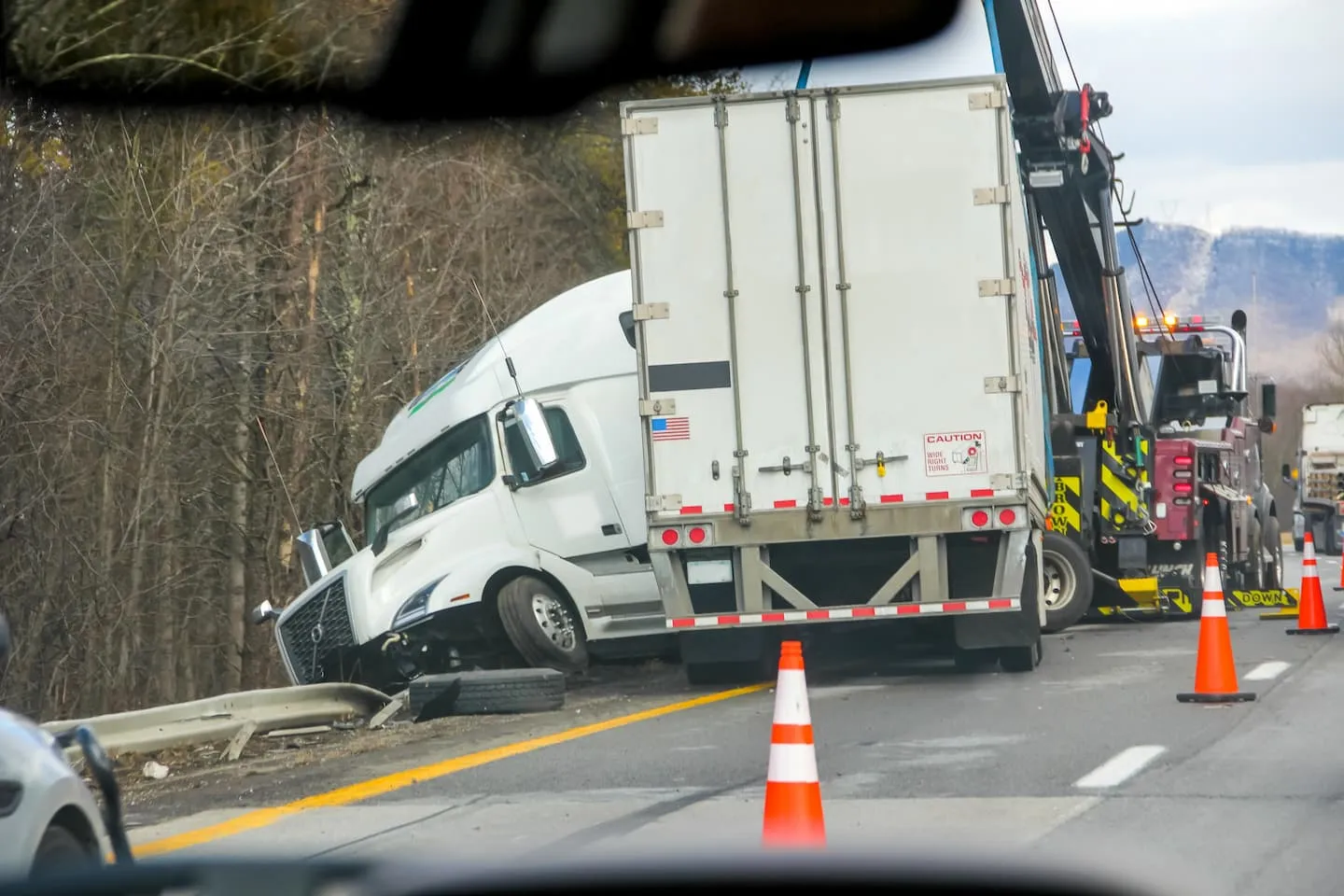
After a car wreck, the evidence is usually what you can see: the damage to the vehicles, the marks on the road, the crash report, and what the drivers and any witnesses remember.
An 18-wheeler wreck can leave all of that and much more. A commercial truck, and the company that runs it, keep a running record of each trip: who was driving, how long they had been on duty, where the truck went, what it was carrying, how it was maintained, and, depending on the equipment, how fast it was moving and when the brakes were applied. In a sense, the truck keeps a diary.
Most people never see that diary. Some pages are kept only for a limited time, and others can be erased or overwritten. Knowing what may exist is the first step toward making sure it is still there when it matters.
Pages that may be in the diary
Not every company or truck keeps every record below. What exists depends on the company, the truck, and its equipment. These are the kinds of records that can matter after a crash:
- Driver paperwork. A trucking company keeps a file on each driver, which can include the driver’s commercial license, medical certification, driving history, past employment, and training. After some crashes, the driver must be tested for drugs and alcohol, and those results are recorded too.
- Trip records. Hours-of-service logs show when the driver was driving, on duty, and off duty. Dispatch records, delivery schedules, fuel and toll receipts, and messages between the driver and the company can show where the truck was and whether the schedule left room to make the delivery within the rules.
- Maintenance and inspection records. Inspection reports, repair orders, and maintenance schedules can show whether the company knew about problems with the brakes, tires, lights, or other equipment before the crash, and whether it fixed them.
- Electronic data. Most long-haul trucks carry an electronic logging device that records driving time. Depending on the truck, its engine and safety systems, and any fleet tracking the company uses, electronic data may also show speed, braking, cruise control, location, and alerts in the moments before a crash.
- Video. Some trucks have cameras facing the road, the driver, or both. Nearby businesses, traffic cameras, and other drivers’ dash cameras may have recorded the crash or the minutes before it.
- Cargo records. Bills of lading, weight tickets, and loading records show what the truck was carrying, how much it weighed, and who loaded it. An overloaded trailer or a poorly secured load can change how a truck stops and handles.
- The truck itself. The tractor and the trailer are evidence. Their brakes, tires, lights, and damage can show how the crash happened, and the other vehicles involved can, too.
Two kinds of electronic records are easy to confuse. An electronic logging device keeps track of a driver’s hours: when the truck was driven and when the driver was on or off duty. It is not designed to tell a crash story. Speed, braking, and throttle in the seconds before a crash, when they are recorded at all, come from the truck’s engine and safety systems or from a fleet tracking service, and what those systems keep varies from truck to truck. Getting that data out correctly usually takes the right equipment and someone trained to use it.
Records like these often settle what happened when the drivers’ accounts differ. The firm explains how fault is assigned after a Texas accident.
Why the diary can vanish
The diary is not kept forever. Federal rules require trucking companies to keep some records, but only for set periods, and some supporting documents for as little as six months. Companies can discard records they are not required to keep on their own schedule.
Electronic data can be lost even sooner. Some systems overwrite older data as new data comes in, and many camera systems keep only a short video loop unless a clip is saved. Video from a nearby business may be erased within days or weeks.
The truck can change, too. After a crash, a truck may be repaired, put back on the road, sold, or scrapped, and its brakes, tires, and damage may go with it. None of this takes bad intent. Ordinary business routines often make evidence disappear.
What a lawyer can do early
A lawyer can send a preservation letter, sometimes called a spoliation letter, to the trucking company and to others who may have evidence. The letter identifies the crash and asks them to keep the records, electronic data, video, and vehicles that may be relevant to a claim.
Once a company knows, or reasonably should know, that a claim is likely, it generally has a duty to preserve relevant evidence. A preservation letter makes that notice clear and specific. If relevant evidence is lost or destroyed after that point, a court can consider it in the case.
A lawyer can also arrange for the truck and other vehicles to be inspected, and for someone trained to download electronic data, before anything is repaired or changed. The sooner this happens, the more of the diary is likely to be there still.
What you can do now
You do not need to collect the trucking company’s records yourself. A few steps protect what is within your reach:
- Get medical care, and keep a record of the treatment you receive.
- Keep what you have: the crash report number, your photographs, and the names and phone numbers of witnesses. If you can, write down the trucking company’s name and the USDOT number shown on the truck’s door.
- Do not repair, sell, or dispose of your vehicle until you have photographed and inspected it.
- Write down what you remember while it is fresh, and note any businesses or homes nearby that may have cameras.
- Be careful talking with the trucking company or its insurance company. Get advice before giving a recorded statement or signing anything.
The deadline
In Texas, the deadline to file a lawsuit for an injury is generally two years from the date of the crash, and a wrongful death claim generally must be filed within two years of the death. Some situations have different deadlines, and claims involving a government entity may require written notice much sooner.
Two years can sound like plenty of time, but evidence of what happened can be gone long before then. If you or someone in your family was hurt in a crash with an 18-wheeler, tell the lawyers at Leatherwood & Schindler what happened. The firm’s truck accident page explains more about these claims.