

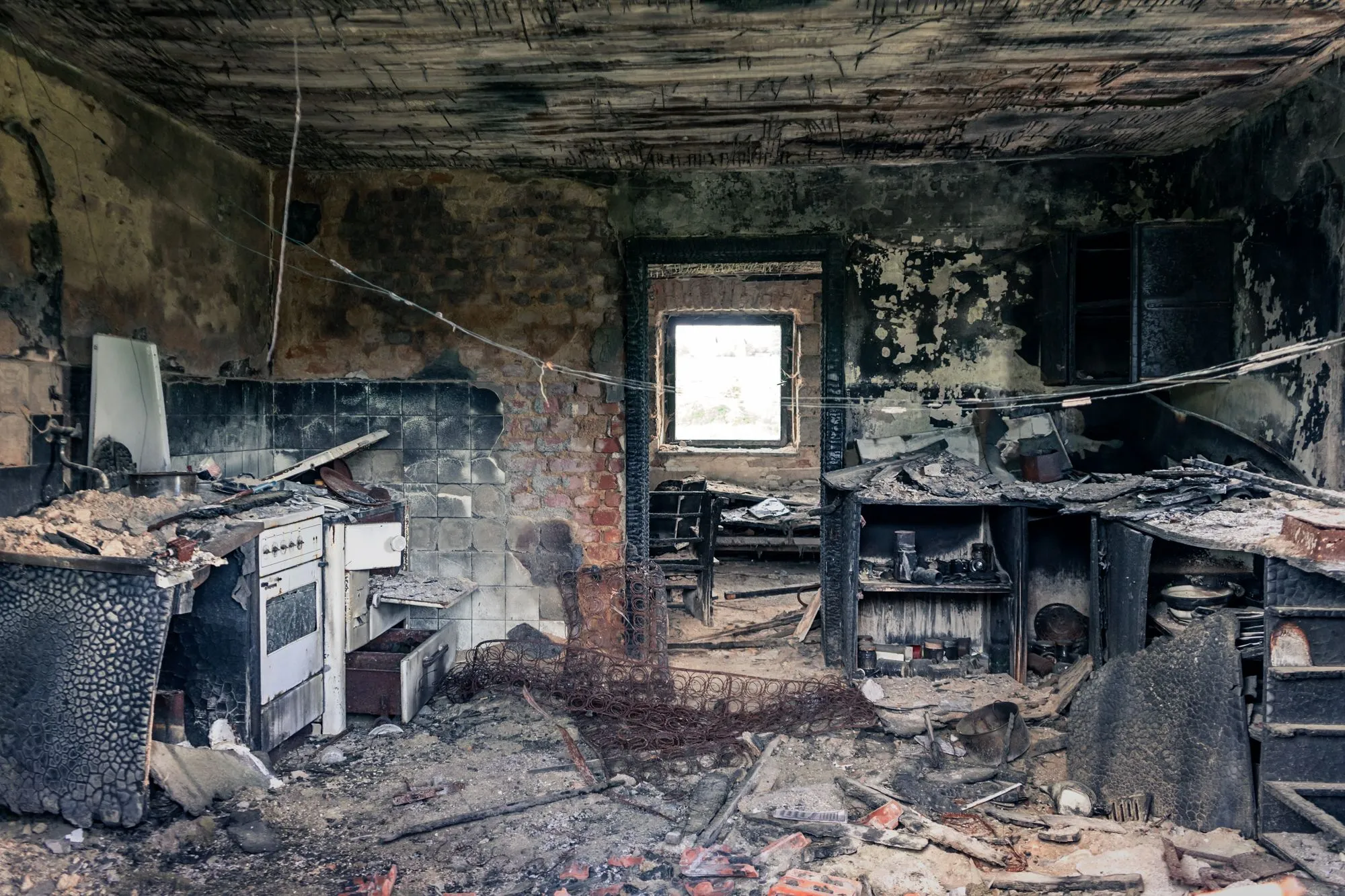
It started with something ordinary—a space heater, kitchen appliance, phone charger, battery, or grill. But then it overheated, sparked, or caught fire, and someone got burned.
If a product causes a burn, it’s important to ask not just “what happened?” but also “what was wrong with the product?” and “who made or sold it?”
Do not throw the product away
The product and its parts may be important evidence. Don’t handle, charge, use, test, repair, or store a potentially dangerous battery or appliance in a way that could cause more harm. Follow advice from the fire department or safety experts about how to secure a dangerous item. If it’s safe, keep the product, packaging, manual, receipt, photos, and any labels. Ask a lawyer if an expert should look at them. Don’t change anything important without proper advice.
More than one clock
The first clock is the ordinary Texas personal injury limitations period: a lawsuit generally must be filed within two years after the claim accrues, subject to exceptions and possible tolling. Claims involving children or delayed discovery require individualized analysis. [Sources: Tex. Civ. Prac. & Rem. Code §§ 16.001, 16.003.]
The second deadline is called the products-liability statute of repose. According to Texas Civil Practice and Remedies Code § 16.012(b), you usually have to file a products-liability claim against a manufacturer or seller within 15 years after they sold the product. There are exceptions, like certain written warranties that promise a longer safe life, some latent-disease claims, and other rules in § 16.012(d-1). This period doesn’t just start at the time of injury, and it doesn’t make a shorter deadline longer. This rule applies to product sales, not leases, as stated in § 16.012(f). You need to check the sale date, the defendant, the injury, and any exceptions. [Source: Tex. Civ. Prac. & Rem. Code § 16.012(b)-(f).]
Simply put, the regular filing deadline and the product-sale cutoff are two different legal rules. Neither one means you automatically have 15 years after a burn. Talk to a lawyer soon to review both deadlines.
Who may be responsible
Texas has a broad definition for products-liability cases about alleged product defects, but the defendant’s role is important. Manufacturers and component makers are judged under certain defect rules. Sellers who didn’t make the product are usually protected from liability unless an exception in § 82.003 applies, like certain changes, installations, misrepresentations, or other specific actions. Just showing that a product overheated or failed isn’t enough to prove a legal defect, causation, or liability. [Sources: Tex. Civ. Prac. & Rem. Code §§ 16.012(a)(2), 82.001, 82.003.]
Questions worth asking
- What was the product, and where and when did you buy it?
- Had it been recalled, repaired, or complained about?
- How was it being used when it failed?
- Were warnings or instructions provided?
- Is the product still in your possession?
What to do
- Get emergency care and follow your medical team. This article is not medical advice.
- Hold on to the product and its packaging. Take photos of the product, where it happened, and any injuries, but only if the person who was burned is okay with it. Never pressure anyone, especially a child, to share pictures.
- Write down what happened, who was present, and what the product was doing at the time.
- Keep medical records, bills, and a short journal of pain, sleep, and what the person cannot do.
- Do not give a recorded statement or sign a release until you understand what it gives up.
Burned by a product that failed? Contact Leatherwood & Schindler, PLLC today.
If you or someone you love was injured or killed because of someone else’s carelessness, talk with attorneys Hogan Leatherwood and Claire Schindler at Leatherwood & Schindler, PLLC today to discuss your personal injury case. Call us toll-free at (877) 664-6665 or visit lstrial.com. Every consultation with any lawyer at Leatherwood & Schindler is free and confidential.
General information only, not legal advice or an attorney-client relationship. Every case differs; past outcomes do not guarantee results. Do not send confidential details until the firm confirms it can discuss your matter. Responsible attorneys: Hogan Leatherwood and Claire Schindler, Leatherwood & Schindler, PLLC, 2000 West Loop S., Suite 2200, Houston, TX 77027.