

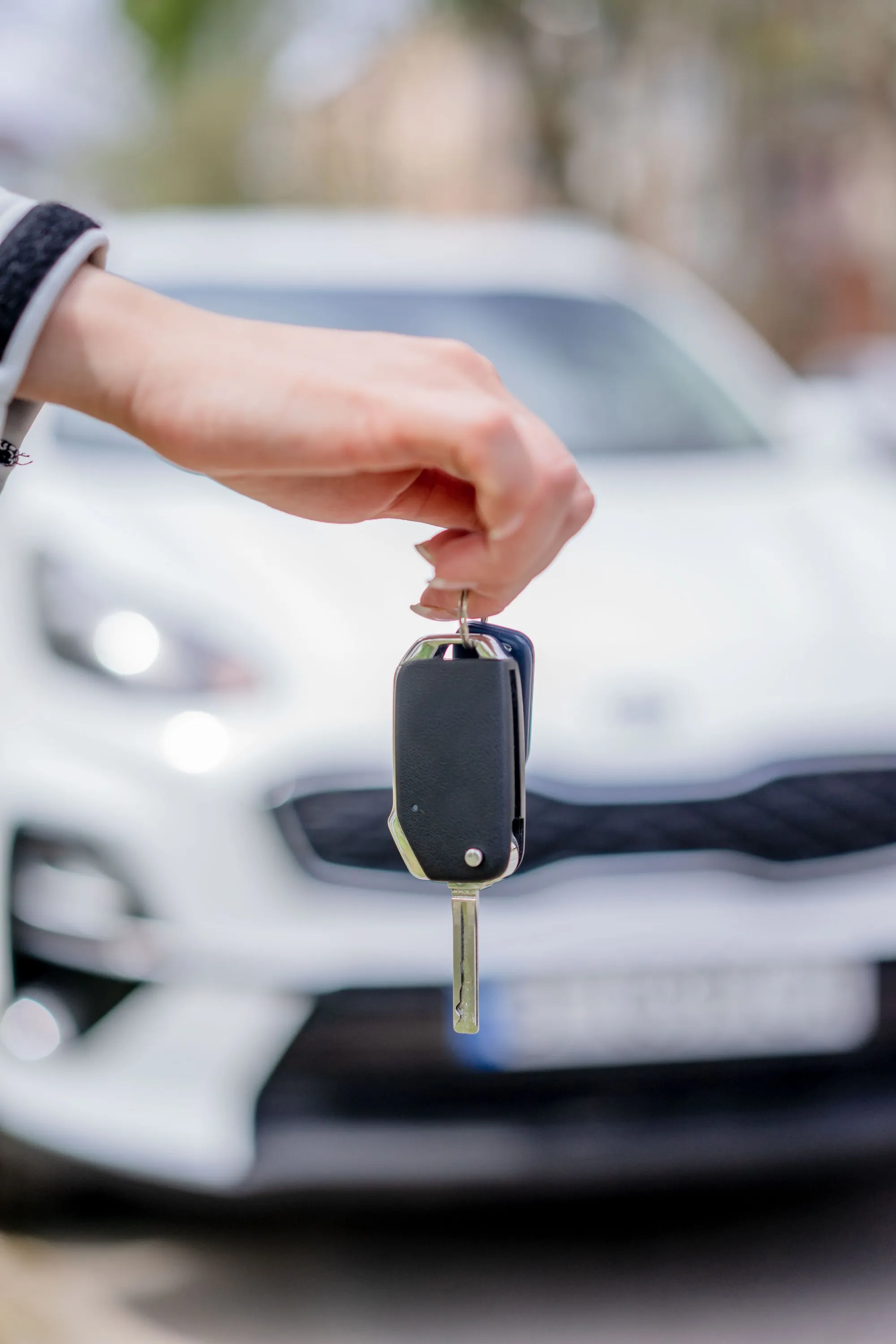
Car accidents are stressful and confusing, especially when the driver involved does not own the vehicle. Determining liability and insurance coverage in these cases can become complicated, adding frustration to an already difficult situation.
Does car insurance attach to the car or the driver?
Generally, auto insurance “follows” the vehicle. The Texas Department of Insurance describes most personal policies as covering the owner, the owner’s family, and people driving the car with the owner’s permission, so when a permitted borrower causes a crash, the owner’s policy is usually the first policy to look to. That is a question of insurance coverage. Whether the owner is personally responsible for what the borrower did is a separate legal question, answered from the owner’s own conduct and any independent basis for a claim against the owner, not from ownership or permission alone. On the coverage side, there are exceptions:
- If the driver did not have permission or stole the vehicle, the owner’s policy typically will not cover that driver.
- Permission can be explicit, in writing or verbally, or implicit, as when the owner knows another person is using the car and does not stop them.
- Insurers may treat a licensed, occasional borrower differently from someone who uses the car regularly, so the policy’s own wording matters.
Special circumstances in borrowed-car accidents
In some situations, more than one policy has to be examined:
- If the owner has no insurance, or not enough to pay for the injuries and damage, the driver’s own policy may pay, depending on its terms. A person who borrows cars often can also carry a nonowner liability policy for that purpose.
- If the owner’s policy names the driver as an excluded driver, the policy will not cover that driver. That is a gap in coverage, not a rule that shifts the driver’s liability onto the owner: the driver remains responsible for the driver’s own conduct, any other policy that applies has to be found, and whether the owner has any separate responsibility is reviewed on its own facts.
In every borrowed-car case, the driver’s conduct, any independent basis for a claim against the owner, and every potentially applicable policy need review.
Steps to take after the accident
If you have been involved in an accident caused by someone driving a borrowed car, taking the right steps early matters:
- Document the accident thoroughly, including photos and video of the damage, and obtain insurance information from both the vehicle owner and the driver.
- Contact local authorities and obtain a crash report or police report.
- Seek medical attention immediately, even if injuries seem minor at first.
- Consult an experienced car accident attorney about the insurance claims involved.
Legal support for borrowed-car accidents
If you or someone you know has been injured in an accident involving a borrowed vehicle, you may be entitled to compensation, and insurance complexity should not stop you from pursuing it. Tell the lawyers at Leatherwood & Schindler what happened. The firm explains separately how responsibility after a car accident is established.