

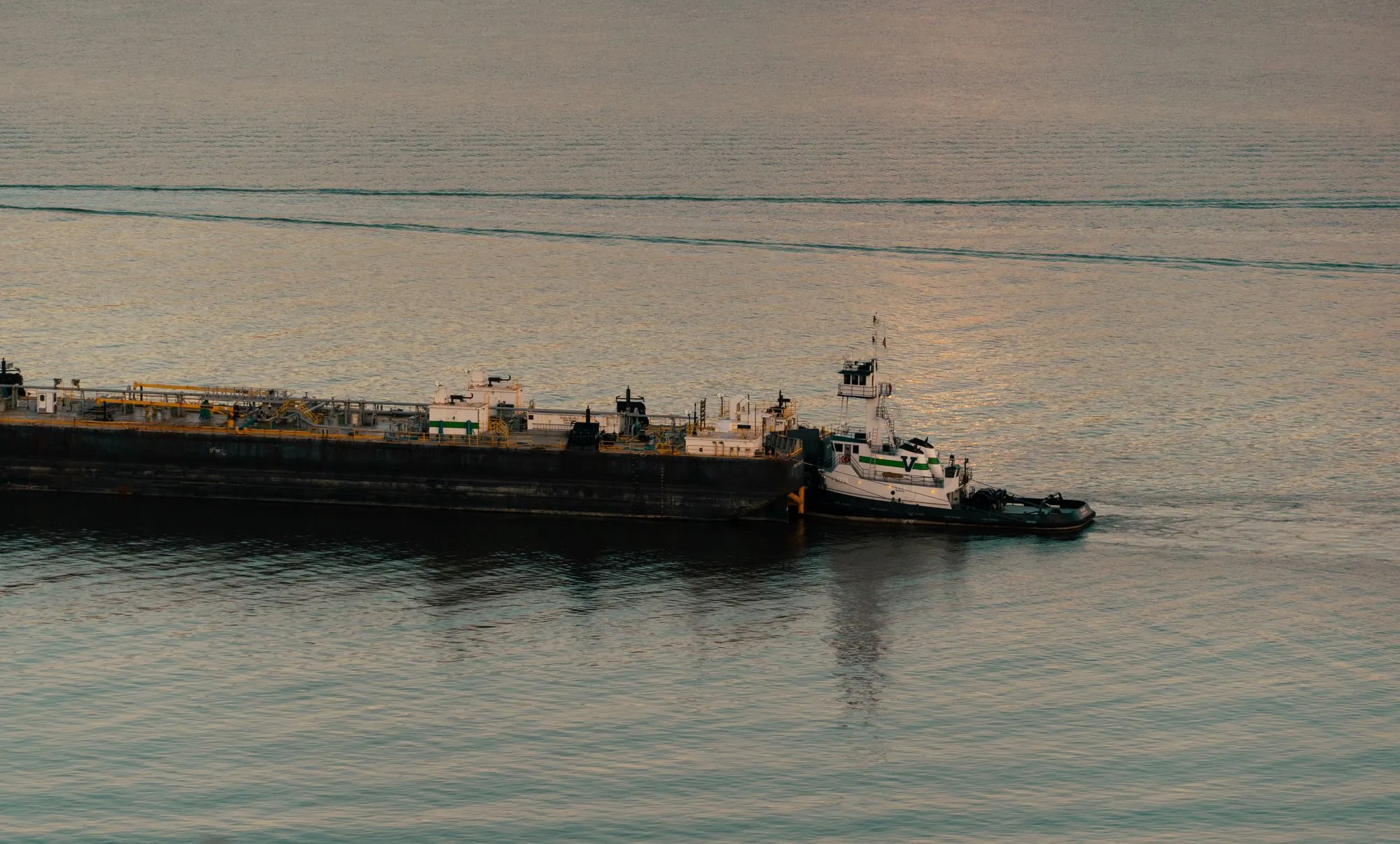
Out on the water, help is not down the street. If you are hurt on a tugboat, barge, supply boat, or offshore unit, the days that follow can feel unreal. You may be flown or boated to shore, then handed papers to sign. Here is a plain-English checklist.
Day one: safety and care
- Tell the captain, mate, or supervisor right away that you are hurt. Say how it happened.
- Ask for medical care, and describe every symptom to the medical provider.
- If you are able, ask for a copy of any accident or injury report, and read it before you sign it.
Days two and three: write it down
- Write down what happened, the date, time, vessel name, location, and who saw it.
- Note the names of crew members who were present.
- If you can do so safely and lawfully, take photographs. Do not take items off the vessel.
- Keep every paper you are given.
Days four to seven: be careful
- Do not guess about fault in written or recorded statements.
- Do not sign a release or settlement until you understand what it gives up.
- Do not post about the injury or the company.
- Talk with a lawyer who handles maritime injuries.
What the Jones Act says
Under federal law, a seaman injured in the course of employment, or the seaman’s personal representative if the injury causes death, may elect to bring a civil action at law, with the right of trial by jury, against the employer. Whether a particular worker is a “seaman” depends on the facts of the job, so do not assume you are or are not one.
Other rights may exist
Maritime law may also give an injured seaman claims for living support and medical care during recovery, and claims about the condition of the vessel.
The deadline
A civil action for damages for personal injury or death arising out of a Jones Act tort must be brought within three years after the cause of action arose, except as otherwise provided by law. Vessels move, crews change, and logs are lost, so waiting is risky even when the deadline looks far away.
Injured working on a vessel or offshore? Contact Leatherwood & Schindler, PLLC today.
If you or someone you love was injured or killed because of someone else’s carelessness, talk with attorneys Hogan Leatherwood and Claire Schindler at Leatherwood & Schindler, PLLC today to discuss your personal injury case. Call us toll-free at (877) 664-6665 or visit lstrial.com. Every consultation with any lawyer at Leatherwood & Schindler is free and confidential.
This article is general information, not legal advice, and reading it does not create an attorney-client relationship. Every case is different, and past outcomes do not guarantee a similar result. Sending us a message does not by itself mean we represent you; please do not send confidential details until we confirm that we can discuss your matter. Attorneys responsible for this content: Hogan Leatherwood and Claire Schindler, Leatherwood & Schindler, PLLC, 2000 West Loop S., Suite 2200, Houston, Texas 77027.