

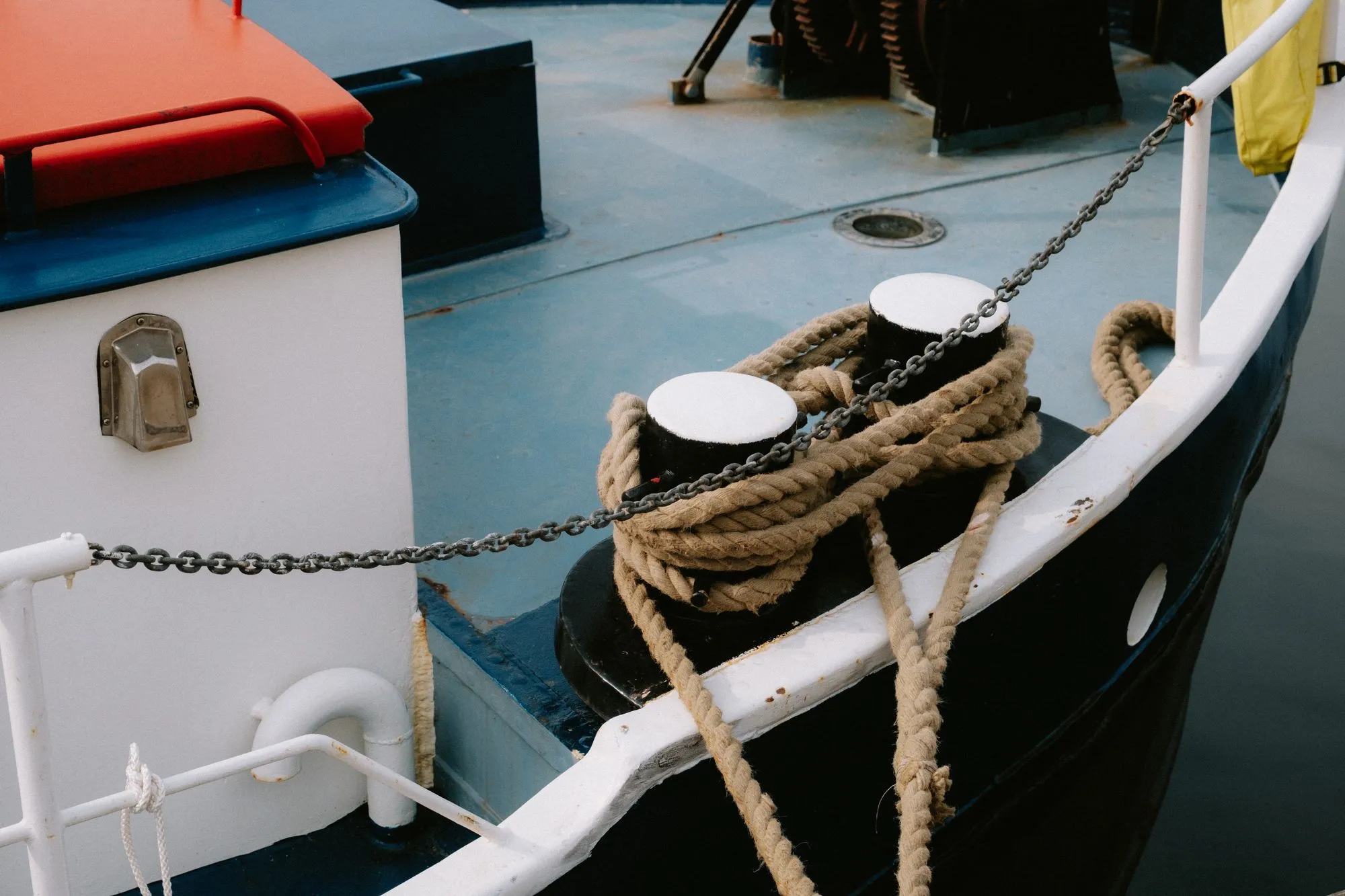
The Houston Ship Channel and Gulf Coast are full of tugs, towboats, and barges. The crews work with heavy lines, steel decks, and moving machinery, often far from help. If a deckhand gets hurt, the big question is whether it was just an accident or if the boat was unsafe.
Maritime law looks at these two situations in different ways.
First, let’s look at carelessness.
The Jones Act, 46 U.S.C. § 30104, allows a qualifying seaman injured in the course of employment to pursue negligence remedies against an employer. But working on a barge or boat does not automatically establish “seaman” status. The worker’s duties must contribute to a vessel’s function or mission, and the worker must have a connection to a vessel in navigation, or an identifiable fleet, substantial in both duration and nature. Courts treat approximately 30 percent of working time as a guideline, not a universal rule. The identity of the Jones Act employer and whether its negligence contributed to the injury depend on evidence. [Sources: Chandris, Inc. v. Latsis, 515 U.S. 347 (1995); 46 U.S.C. § 30104.]
Second, consider the condition of the vessel itself.
General maritime law also recognizes unseaworthiness. This means looking at whether the vessel, its equipment, or its crew were reasonably fit for their job. The shipowner’s duty to provide a seaworthy vessel is different from ordinary negligence, but it does not guarantee a vessel will be accident-free. Problems like a broken winch, unsafe deck, poor equipment, or not enough crew can matter if they add up to unseaworthiness and cause an injury. Whether you can make this claim depends on your legal status and who owns the vessel. Not every unsafe condition is enough. [Source: Mitchell v. Trawler Racer, Inc., 362 U.S. 539 (1960).]
Why does this difference matter?
A qualifying seaman may have separate claims under the Jones Act for negligence and under maritime law for unseaworthiness. He may also get maintenance and cure for certain injuries or illnesses that happen while working on the vessel, even without proving negligence. Maintenance and cure covers basic living expenses and reasonable medical care until the law says it ends. What you get and for how long depends on your situation. Some maritime workers are covered by other laws, like the Longshore and Harbor Workers’ Compensation Act. Your actual job duties, vessel assignment, and employer all matter when choosing the right legal path. [Sources: Chandris, 515 U.S. 347; Mitchell, 362 U.S. 539; Vaughan v. Atkinson, 369 U.S. 527 (1962).]
Questions you should ask
- Who owned the vessel? Who operated it? Who employed you?
- What equipment failed or was missing? Who was responsible for maintaining it?
- How many people were working, and were you short-handed?
- Were you tired from long hours or a tight schedule?
- Was there a safety meeting or a written job plan?
Steps to take
- Tell the captain or supervisor about your injury as soon as possible and get medical attention.
- Read any incident report carefully before signing. Don’t guess about who was at fault.
- Write down the date, time, vessel name, location, and everyone who was on board.
- If it’s safe, take photos of the equipment and the deck. Don’t remove anything from the vessel.
- Keep every paper from the company and its insurer, and track your medical costs and missed work.
- Don’t sign any release before you talk to a lawyer who handles maritime injuries.
Know your deadline
In most cases, you have three years from when the injury or death happened to file a claim for a maritime injury, unless another law says otherwise. Some claims, laws, contracts, or facts can change this, so a lawyer should review your case as soon as possible. Ships move and crews change, so save any evidence right away. [Source: 46 U.S.C. § 30106.]
Were you hurt while working on a tugboat, towboat, or other vessel? Contact Leatherwood & Schindler, PLLC today.
If you or a loved one was hurt or killed because of someone else’s carelessness, talk to attorneys Hogan Leatherwood and Claire Schindler at Leatherwood & Schindler, PLLC today about your personal injury case. Call us toll-free at (877) 664-6665 or visit lstrial.com. Every consultation with a lawyer at Leatherwood & Schindler is free and confidential.
General information only, not legal advice or an attorney-client relationship. Every case differs; past outcomes do not guarantee results. Do not send confidential details until the firm confirms it can discuss your matter. Responsible attorneys: Hogan Leatherwood and Claire Schindler, Leatherwood & Schindler, PLLC, 2000 West Loop S., Suite 2200, Houston, TX 77027.