

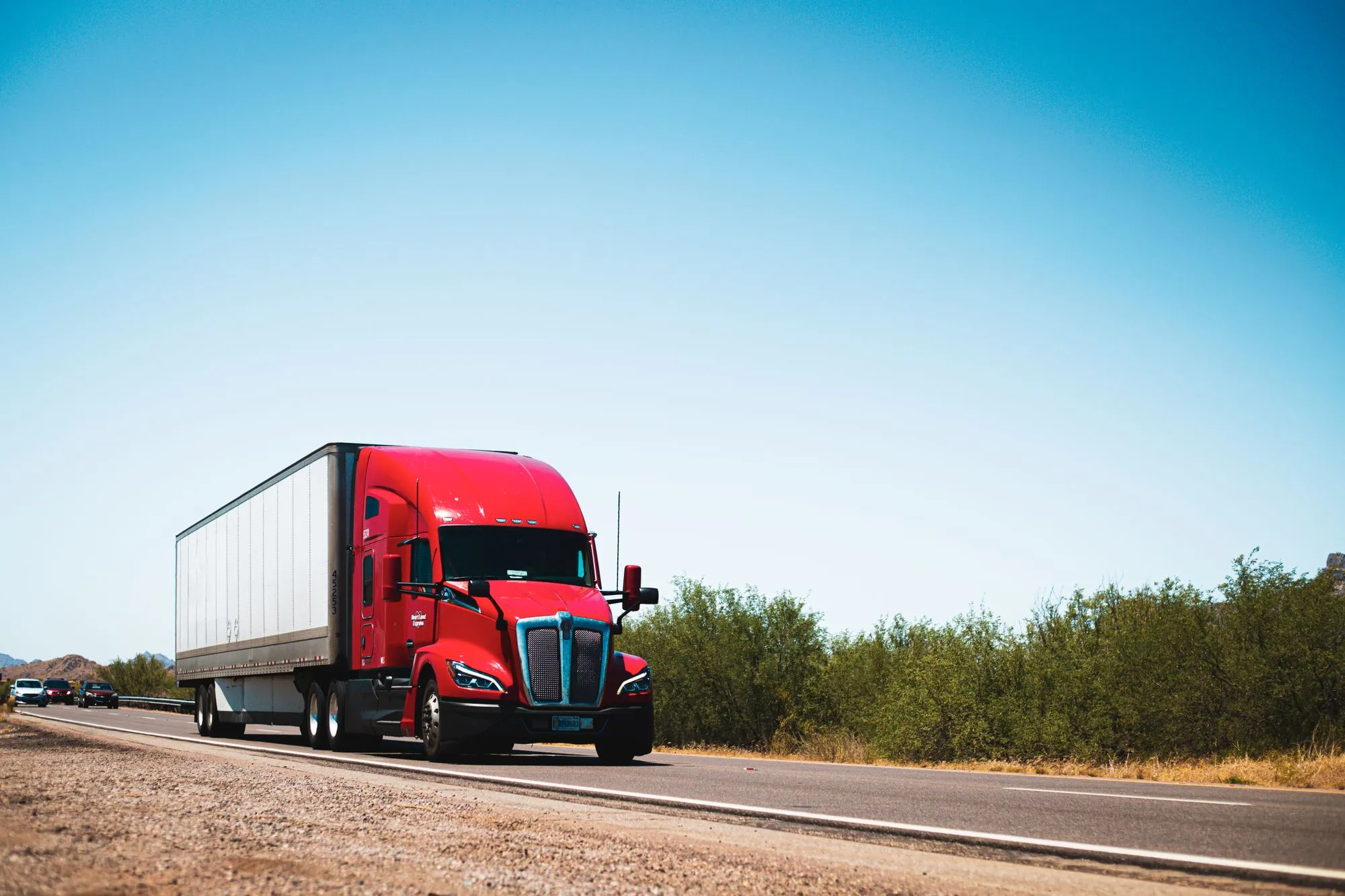
You were hurt in a collision with a commercial truck that had a company’s name displayed on its door. Then the company tells you, or your insurance company, that the driver was an independent owner-operator and that it is not responsible for the accident.
Or perhaps the truck belongs to one business, the trailer belongs to another, and the driver receives payment from a third company.
These arrangements can make it difficult to determine who is responsible for a crash. But a company’s explanation of its relationship with a driver is not necessarily the final answer.
Why the labels get tangled
The trucking industry uses several different business arrangements.
A motor carrier may own its trucks and directly employ its drivers. Another company may lease equipment from drivers who own their trucks. A driver might operate as an independent contractor, while a separate freight broker arranges the shipment.
Each arrangement involves different contracts, obligations, and operating responsibilities.
Those differences can matter when determining liability after an accident. However, calling someone an independent contractor does not automatically resolve whether another business may also bear responsibility.
Federal motor-carrier leasing regulations address certain responsibilities of authorized carriers using leased equipment. They also recognize that the required control provisions do not, by themselves, determine whether a driver is an employee or an independent contractor.
The circumstances of the collision, the applicable law, and the relationships between the businesses involved all deserve careful examination.
Questions a careful investigation asks
When a trucking company denies responsibility, an investigation may begin with several important questions:
- Whose name and USDOT number were displayed on the truck?
- Who dispatched the load, established the schedule, and selected the route?
- Who was responsible for inspecting and maintaining the truck and trailer?
- Which businesses maintained insurance coverage, and what did those policies cover?
- What was the driver’s actual working relationship with the trucking company?
- Who loaded the trailer and was responsible for securing the cargo?
The answers can help clarify the relationships between the driver, motor carrier, truck owner, trailer owner, and other businesses involved in the shipment.
Lease agreements, dispatch records, maintenance documents, insurance policies, and other records may help establish what responsibilities each party had.
No single answer necessarily determines liability. The evidence must be considered together.
Why this matters to you
Identifying the responsible parties is an important part of pursuing compensation after a serious trucking accident.
In some cases, the driver may be the primary person responsible for the collision. In others, an investigation may reveal conduct by a motor carrier, vehicle owner, loading company, maintenance provider, or another party that contributed to the crash.
Determining who may be legally responsible also helps identify potentially applicable insurance coverage.
However, the existence of multiple businesses or insurance policies does not automatically mean that each is responsible or that every policy provides coverage.
These questions require an examination of the facts, the relevant agreements, and the applicable law.
An injured person should not have to rely solely on a trucking company’s initial explanation of why it believes it is not responsible.
What to do after the accident
If you were injured in a collision involving an owner-operator or leased commercial truck, several steps may help preserve important information.
- Photograph identifying information. If it is safe to do so, take pictures of company names, USDOT numbers, license plates, and other identifying information on the truck and trailer.
- Obtain the crash report information. Ask for the crash report number and review the motor carrier information included in the report when it becomes available.
- Be cautious about explanations of responsibility. Do not assume that a company’s initial statement about the driver’s employment status settles the question of liability.
- Speak with an attorney before providing recorded statements or signing releases. Statements and settlement documents can affect your claim, so understanding your rights before proceeding is important.
- Keep records of your losses. Save medical bills, treatment information, records of missed work, and other documents related to the accident and your injuries.
These steps may help an attorney investigate the collision and identify the individuals or businesses whose actions may have contributed to it.
How long do you have to file a claim?
Under Texas Civil Practice and Remedies Code § 16.003, a personal injury lawsuit generally must be filed within two years after the cause of action accrues. Certain exceptions or different requirements may apply depending on the circumstances.
Waiting can also make an investigation more difficult.
Records may become harder to obtain, witnesses may be more difficult to locate, and important evidence may no longer be available.
If a trucking company is denying responsibility because the driver was an owner-operator or independent contractor, speaking with an attorney early can help you understand which parties should be investigated and what steps may be necessary to preserve evidence.
If you or someone you love was injured in a commercial trucking accident, contact Leatherwood & Schindler, PLLC to discuss your case. Call toll-free at (877) 664-6665. Consultations are free and confidential.