

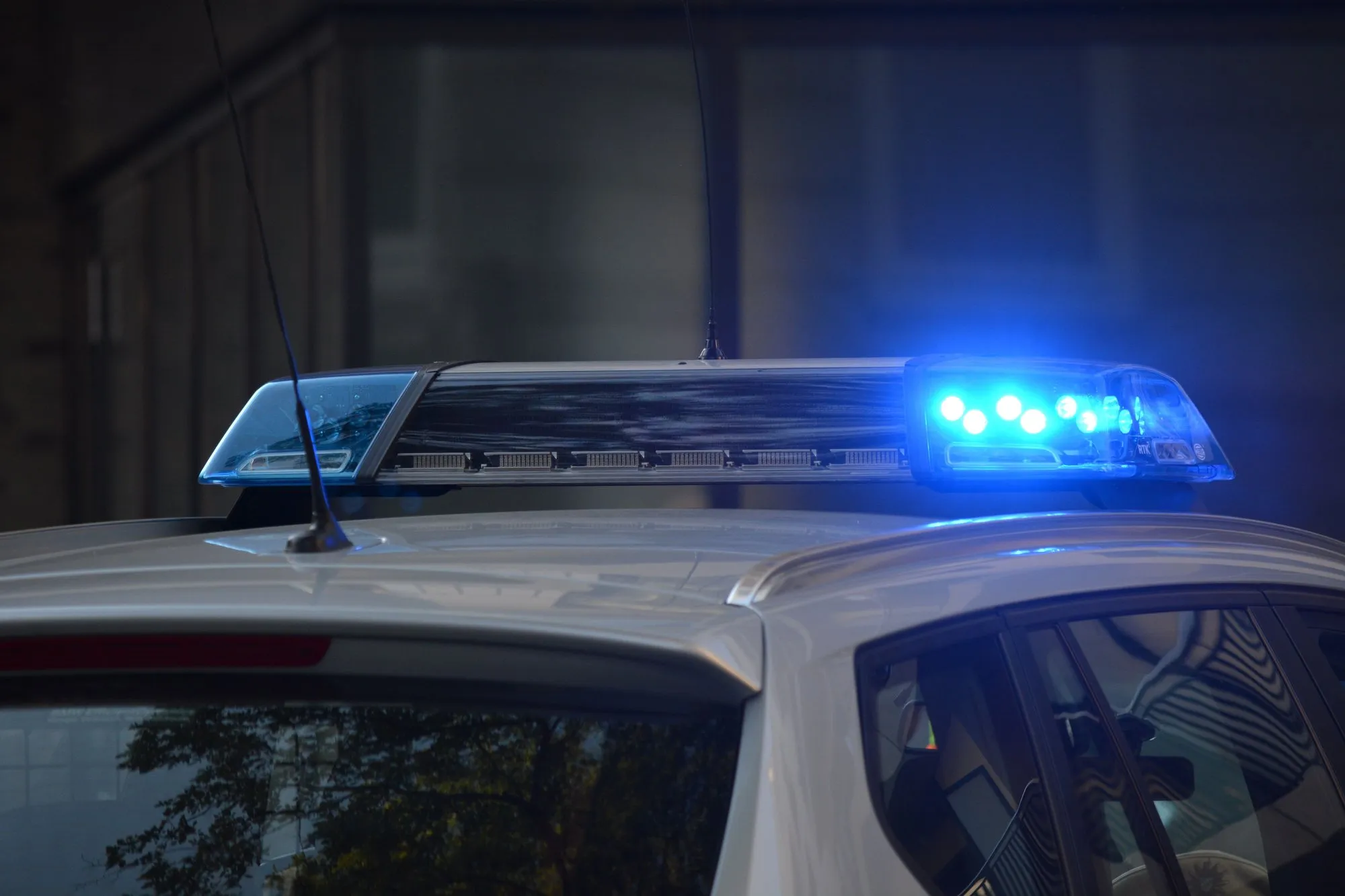
Texas drivers are required to give room to certain vehicles stopped along the road with their warning lights on. The rule is often called the “move over or slow down” law, and it exists to protect people who work next to moving traffic: police officers, fire and medical crews, tow truck operators, and highway workers.
Where the rule comes from
The Move Over law is a Texas statute, Section 545.157 of the Texas Transportation Code. The Legislature passed it in 2003, and it took effect on September 1 of that year. It first applied to stopped emergency vehicles. Later changes extended it: tow trucks were added in 2011 and Texas Department of Transportation vehicles in 2013, and the list has kept growing since.
The Texas Department of Transportation now describes the law as covering law enforcement, tow trucks, utility vehicles, municipal waste trucks, emergency responders, and TxDOT vehicles that have their overhead lights activated. A change that took effect on September 1, 2025, added vehicles driven by animal control officers and parking enforcement employees. TxDOT’s Move Over or Slow Down page keeps a current summary.
What the law requires
When you approach one of these vehicles while it is stopped with its warning lights on, and unless a police officer directs you otherwise, the statute requires you to do one of two things:
- Move over. On a highway with two or more lanes traveling in your direction, leave the lane closest to the stopped vehicle.
- Slow down. Reduce your speed to 20 miles per hour below the posted limit. TxDOT tells drivers to do this when they cannot change lanes safely. Roads with very low posted limits have a separate cap of five miles per hour.
On a road with only one lane in your direction, slowing down is the way to comply.
Why tow trucks are included
Tow truck operators are often among the first people to reach a stalled or wrecked vehicle, and they work within feet of passing traffic. A tow truck’s flashing lights may not draw the same attention from drivers as the lights on a patrol car, but the law treats a stopped tow truck like a stopped police car or ambulance. Texas added tow trucks to the statute in 2011.
Penalties
A violation is a misdemeanor. For offenses committed on or after September 1, 2023, the fine for a first offense ranges from $500 to $1,250, and a second offense within five years carries a fine of $1,000 to $2,000. If the violation results in bodily injury to another person, it is a Class A misdemeanor.
When a violation causes a crash
A driver who ignores the rule and strikes a stopped vehicle, or a person working beside it, may be responsible for the harm that follows. Breaking a traffic law is one of the things reviewed when fault is assigned, along with the crash report, physical evidence, and witness statements.
If you were hurt in a roadside crash, get medical care first, make sure the crash is reported so there is an official record, and photograph the scene and the vehicles if it is safe to do so.
Getting help after a roadside crash
If you or someone you know was injured by a driver who did not move over or slow down, a lawyer can review what happened and whose insurance may apply. Tell the lawyers at Leatherwood & Schindler what happened. The firm also explains how a car accident claim works.